Eu Covid Travel Restrictions For Americans
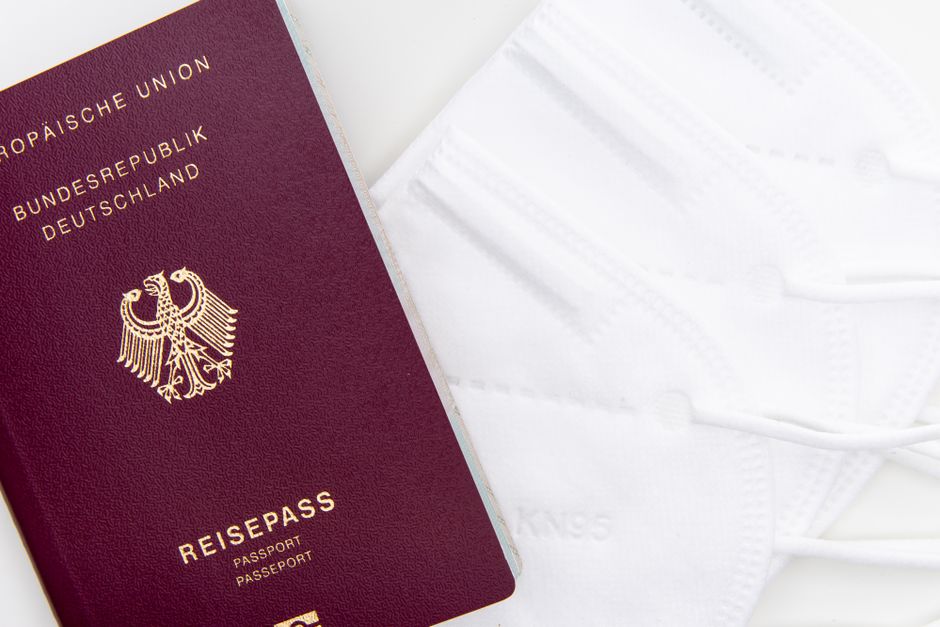
Navigating Europe: A Comprehensive Guide to EU COVID-19 Travel Restrictions for American Citizens
Understanding the Evolving Landscape of EU Entry Requirements for US Travelers: The COVID-19 pandemic has fundamentally reshaped international travel, and for American citizens considering a journey to the European Union, understanding the current travel restrictions is paramount. While many restrictions have eased significantly, the situation remains fluid, with individual member states retaining the autonomy to implement their own specific entry protocols. This guide provides a detailed overview of the key considerations for US travelers, focusing on essential information to ensure a smooth and compliant passage into the Schengen Area and beyond.
The Schengen Area and its Implications for US Travelers: The Schengen Area, comprising 27 European countries, operates as a borderless zone for international travel. For American citizens, this means that once you enter one Schengen country, you can typically travel freely between other Schengen member states without further immigration checks. However, this unified approach to border control also means that COVID-19 related entry requirements, when in place, are often harmonized across the bloc. It is crucial for US travelers to understand that even if a particular country within Schengen has relaxed its rules, others might maintain stricter measures. Therefore, always check the specific requirements of your primary destination and any countries you plan to transit through.
Key Entry Requirements: Vaccination and Testing Status: Historically, vaccination status and negative COVID-19 tests were the primary determinants of entry eligibility for US travelers into the EU. While many countries have moved away from mandatory pre-departure testing for vaccinated individuals, understanding the nuances of vaccination recognition is still important. The EU has a system for recognizing vaccine certificates, and while the US CDC vaccination card is generally accepted, it’s advisable to have a digital copy or a clear photograph of your vaccination record. Travelers who are unvaccinated or whose vaccination status is not recognized may still face testing requirements, either pre-departure or upon arrival. It is essential to consult the official government websites of your destination country for the most up-to-date information on accepted vaccines and testing protocols. Some countries may still require a PCR or antigen test within a specific timeframe before departure, and the validity period of these tests can vary. Failing to meet these requirements could result in denied boarding or entry.
The Evolving Role of Passenger Locator Forms (PLFs) and Health Declarations: In the early stages of the pandemic, Passenger Locator Forms (PLFs) and health declarations were ubiquitous, requiring travelers to provide contact information and details about their travel history. While the widespread mandatory use of PLFs has significantly decreased across the EU, some countries may still retain them for surveillance or contact tracing purposes. It is prudent to check the website of your destination country’s Ministry of Health or equivalent agency for any required pre-travel declarations. These forms, if required, are usually completed online before your flight. Missing or incomplete information on these forms can lead to delays or even refusal of entry.
Quarantine Measures: A Lingering Consideration: Mandatory quarantine upon arrival has largely been phased out for vaccinated travelers entering the EU. However, the possibility of quarantine requirements, particularly for unvaccinated individuals or those arriving from high-risk regions (though such designations are less common now), cannot be entirely discounted. If a country does still mandate quarantine, details regarding the duration, location (hotel or self-isolation), and testing during quarantine will be clearly stipulated. Always confirm the latest quarantine policies with your destination country’s authorities.
Individual Country Variations: The Devil is in the Details: The overarching principle for US travelers is that while the EU provides a framework, individual member states have the authority to implement their own specific border control measures. This means that even within the Schengen Area, entry requirements can differ. For instance, a country might have relaxed its testing requirements but still require proof of vaccination, while another might have dropped both for fully vaccinated individuals. Therefore, a thorough investigation of each country’s travel advisory and entry protocols is non-negotiable. Official government tourism websites, embassy websites, and the European Commission’s dedicated travel portal are invaluable resources for obtaining accurate and current information.
Specific Country Examples and Their Current Stance (Illustrative, always verify):
- France: Generally, France has significantly eased restrictions. For fully vaccinated travelers, entry is typically straightforward. Unvaccinated travelers might face testing requirements. Always check the French Ministry of Interior or tourism website.
- Germany: Similar to France, Germany has largely removed COVID-19 related entry requirements for vaccinated individuals. Unvaccinated travelers may still be subject to specific rules. Consult the German Federal Foreign Office.
- Italy: Italy has also lifted most COVID-19 entry restrictions for vaccinated travelers. Unvaccinated individuals should verify current testing or quarantine protocols. Refer to the Italian Ministry of Health.
- Spain: Spain has a relatively open policy for vaccinated travelers. Unvaccinated travelers should confirm any ongoing requirements. The Spanish Ministry of Health is the primary source.
- Netherlands: The Netherlands has removed most COVID-19 entry restrictions. Always check the Dutch government’s official travel information.
Crucial Resources for US Travelers:
- US Department of State: The US Department of State provides comprehensive travel advisories for all countries, including information on health and safety conditions. This is an excellent starting point for any international travel plans.
- European Commission – Re-open EU Portal: This official portal offers a country-by-country overview of travel restrictions and requirements across the EU, updated regularly. It’s an indispensable tool for comparing policies.
- National Government Websites: As emphasized repeatedly, the most accurate and up-to-date information will always be found on the official websites of the government ministries of your intended destination country (e.g., Ministry of Health, Ministry of Interior, Ministry of Tourism).
- Airlines: Your airline will also have information regarding their specific requirements for boarding, which may align with or even exceed those of the destination country. It’s good practice to check their website as well.
Navigating Travel Insurance: In the current travel climate, comprehensive travel insurance is more critical than ever. Ensure your policy covers COVID-19 related disruptions, including trip cancellation or interruption due to illness, and medical expenses incurred abroad, particularly if they are COVID-19 related. Some policies may also offer coverage for medical evacuation. Read the fine print carefully to understand what is and isn’t covered.
Preparing for Potential Disruptions: Despite the easing of restrictions, the possibility of travel disruptions due to unforeseen circumstances, including localized outbreaks or changes in government policy, remains. Build flexibility into your travel plans where possible. Have a contingency plan in case your flight is canceled or your itinerary needs to change. Staying informed through reliable sources is your best defense against unexpected challenges.
The Importance of Digital Documentation: As mentioned, having digital copies of your vaccination certificates, test results, and any completed health declarations is highly recommended. Store them securely on your phone, in cloud storage, or as easily accessible emails. This will expedite the check-in and immigration processes.
Beyond Entry: On-the-Ground Considerations: While entry requirements are the primary focus for initial travel, it’s important to remember that some EU countries or specific regions within them might still have some domestic COVID-19 related measures in place. This could include mask mandates in certain healthcare settings or public transport, or capacity limits in some venues. Always observe local customs and regulations to ensure a respectful and compliant visit.
Conclusion: For American citizens planning a trip to the European Union, the landscape of COVID-19 travel restrictions has become significantly more manageable. However, a proactive and informed approach remains essential. Thorough research, meticulous attention to the specific requirements of each destination country, and maintaining flexibility are key to a successful and enjoyable European adventure. The era of broad, sweeping restrictions is largely behind us, but vigilance and diligent preparation are still the cornerstones of stress-free international travel.