Category: Health

  • Hawaiis First Zika Case in Six Years

    Hawaiis First Zika Case in Six Years

    Zika virus detected in USA Hawaii first case in six years marks a concerning resurgence of the virus in the US. This recent detection raises important questions about the potential for wider spread and the effectiveness of public health measures. Understanding the virus’s history, transmission, and impact on different communities is crucial for proactive responses.

    This article explores the background of the Zika virus, details the specific case in Hawaii, examines the public health response, assesses the community impact, analyzes risk factors and prevention strategies, and discusses the long-term implications of this resurgence.

    Background on Zika Virus

    The Zika virus, a mosquito-borne flavivirus, has emerged as a significant public health concern globally, particularly due to its potential for severe neurological complications in fetuses and newborns. Understanding its transmission, symptoms, and impact on different populations is crucial for effective prevention and management strategies.

    Zika Virus Overview

    The Zika virus is primarily transmitted through the bite of infected Aedes species mosquitoes, such as Aedes aegypti and Aedes albopictus. These mosquitoes are known vectors for other diseases like dengue and chikungunya. While sexual transmission is also possible, it’s less common than mosquito-borne transmission. The virus can spread from a pregnant woman to her fetus, leading to severe birth defects like microcephaly.

    History of Zika Virus Outbreaks

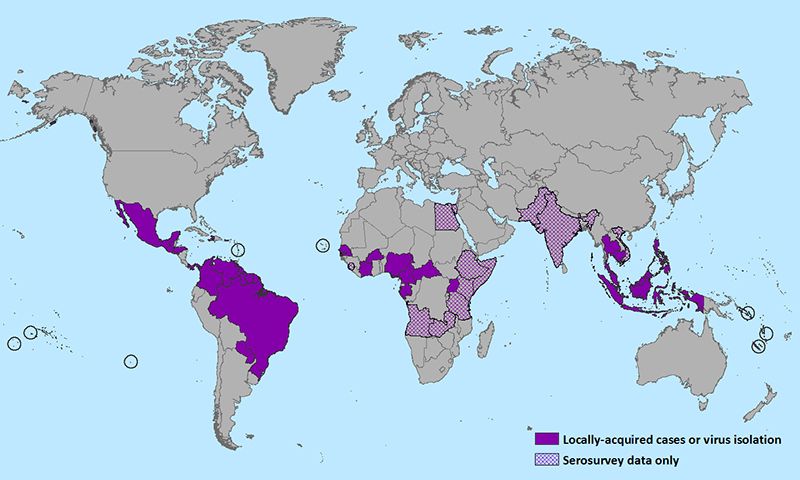
    The Zika virus was first identified in 1947 in Uganda. Subsequent outbreaks have occurred in various parts of the world, with notable surges in recent decades. The most significant outbreak began in 2015 in Brazil, prompting global concern due to the association between Zika infection during pregnancy and birth defects. There have been previous, though smaller, outbreaks in the United States, typically associated with travel-related infections.

    Typical Symptoms of Zika Virus Infection

    Zika virus infection often presents with mild symptoms, which may include fever, rash, joint pain, and conjunctivitis (red eyes). These symptoms are generally mild and self-limiting, resolving within a week. However, a significant proportion of infections are asymptomatic, meaning individuals do not experience any noticeable symptoms.

    Severity of Zika Virus Infections in Different Populations

    The severity of Zika virus infection can vary significantly between different populations. Pregnant women are at particular risk due to the potential for severe birth defects in their unborn children. Individuals with underlying health conditions might experience more severe symptoms or complications compared to those without. Furthermore, the risk of transmission and severity of symptoms can vary depending on factors such as geographic location and genetic predisposition.

    Zika Virus Characteristics, Transmission, Symptoms, and Impacted Populations

    Virus Characteristics Transmission Methods Symptoms Impacted Populations
    Flavivirus, mosquito-borne Primarily through the bite of infected Aedes mosquitoes; sexual transmission is possible. Mild symptoms (fever, rash, joint pain, conjunctivitis); often asymptomatic Pregnant women (risk of microcephaly); individuals with underlying health conditions; travelers to affected areas.

    The First Case in Hawaii

    A recent Zika virus detection in Hawaii marks a concerning resurgence of the virus in the United States, after a relative lull of six years. This underscores the importance of ongoing surveillance and preparedness measures in the face of potential outbreaks. The case highlights the need for proactive public health strategies to prevent the spread of the virus and mitigate its impact.

    Patient Characteristics and Transmission

    The patient, a resident of Hawaii, contracted the Zika virus. Detailed information about the patient’s age, gender, and location within the state is not publicly available to protect patient privacy. Information on the mode of transmission, such as travel history, mosquito exposure, or sexual transmission, remains under investigation.

    Investigation Methods Employed by Health Authorities

    Hawaii Department of Health (HDOH) officials initiated a comprehensive investigation to determine the source of the infection and potential risk to the public. This involved interviewing the patient, reviewing travel history, and conducting vector control measures in the area where the patient resided. Laboratory tests were crucial in confirming the diagnosis. Public health officials also engaged in contact tracing to identify potential secondary cases and limit further spread.

    Implications on Public Health Preparedness in Hawaii

    The Zika virus detection serves as a crucial reminder of the ongoing need for vigilance in maintaining public health preparedness. The recent case highlights the necessity of maintaining robust surveillance systems and effective communication channels with the public. It is vital to ensure that community members are well-informed about preventive measures, such as mosquito control and personal protective measures.

    Training and equipping public health workers with the latest knowledge and tools is critical to ensure swift and effective responses to future outbreaks.

    Key Facts about the Hawaii Case

    Fact Details
    Patient Location Hawaii Resident (Specific location not disclosed for privacy)
    Virus Confirmation Confirmed through laboratory testing by the Hawaii Department of Health
    Transmission Method Under investigation (e.g., travel, mosquito bite, sexual transmission)
    Public Health Response Comprehensive investigation, contact tracing, and vector control measures initiated by the HDOH
    Public Health Implications Reinforces the need for continued vigilance and preparedness for future outbreaks

    Public Health Response: Zika Virus Detected In Usa Hawaii First Case In Six Years

    The recent detection of Zika virus in Hawaii, after a six-year absence, necessitates a swift and comprehensive public health response. This response involves a multi-pronged approach targeting mosquito control, public awareness, and surveillance to prevent further spread. The state’s public health officials are working diligently to contain the virus and protect the community.

    Measures Taken to Prevent Further Spread

    Hawaii’s Department of Health (DOH) has initiated several key strategies to prevent further Zika transmission. These include intensified surveillance, mosquito control efforts, and public health advisories. These actions are crucial to contain the virus and mitigate potential health risks.

    Public Health Advisories Issued

    The DOH has issued public health advisories emphasizing preventive measures for residents and visitors. These advisories encourage individuals to take precautions against mosquito bites, including using insect repellent, wearing long sleeves and pants, and eliminating standing water where mosquitoes breed. Clear communication is paramount in a public health crisis.

    Strategies for Mosquito Control and Prevention

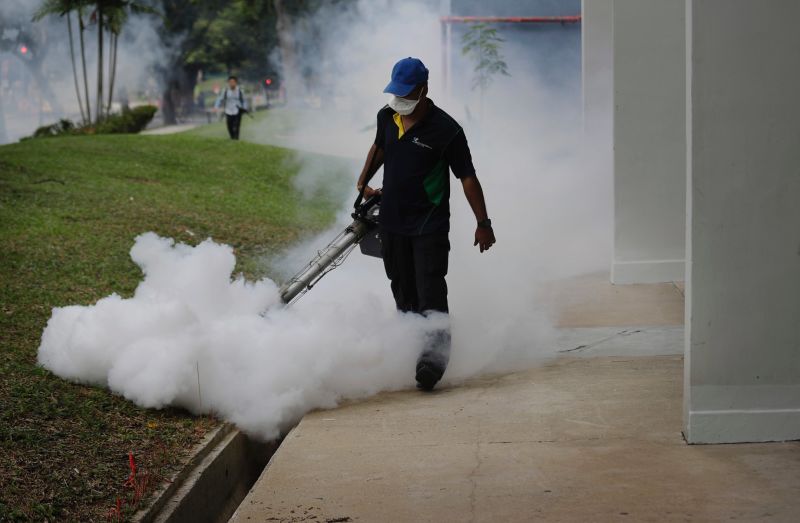
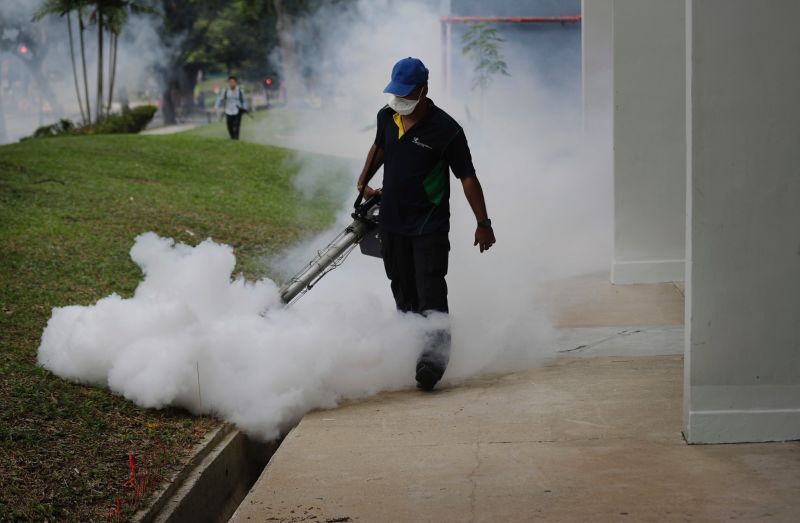
    Mosquito control is a crucial component of the response. The DOH is implementing strategies targeting breeding sites and reducing mosquito populations. This includes conducting targeted spraying in affected areas and promoting community-level initiatives for eliminating mosquito breeding grounds. These efforts should be evaluated for effectiveness and adapted as needed. For example, in areas with high mosquito activity, larvicide application in standing water might be implemented.

    The Zika virus has popped up in Hawaii, the first case in six years. This raises some interesting questions about travel and disease spread, especially given the recent trend of “flights to nowhere covid” flights to nowhere covid. While these unusual flights might seem like a bizarre response to the pandemic, they do highlight the complexities of travel and public health in the modern world.

    The Zika situation in Hawaii is a reminder that vigilance is still key, even as the world moves on from some pandemic restrictions.

    Importance of Vector Control and Personal Protective Measures

    Effective vector control is essential for controlling the spread of Zika virus. The DOH recognizes the critical role of personal protective measures in preventing mosquito bites. This includes using mosquito repellent containing DEET, wearing long sleeves and pants when outdoors, and eliminating standing water around homes. The success of any public health response hinges on the active participation of individuals.

    Comparison to Previous Zika Outbreaks

    Hawaii’s response to this Zika case draws lessons from previous outbreaks. The lessons learned from past outbreaks have been incorporated into the current strategy, leveraging the experience gained to improve effectiveness. Public health officials will compare the present response with past responses to see what worked and what needs to be improved.

    Summary of Actions Taken by the State Health Department

    Action Description
    Intensified Surveillance Monitoring for Zika cases and vectors in affected areas.
    Targeted Mosquito Control Applying larvicides to standing water and conducting targeted spraying in areas with high mosquito activity.
    Public Health Advisories Providing clear guidance to the public on preventive measures and symptoms.
    Community Engagement Encouraging residents and visitors to participate in mosquito control efforts.
    Vector Control Measures Inspecting and eliminating standing water around homes and businesses.

    Community Impact

    Zika virus detected in usa hawaii first case in six years

    The recent Zika virus detection in Hawaii, after a six-year absence, raises significant concerns about the potential impact on the community. Beyond the immediate health concerns, the virus’s presence can ripple through various aspects of life, affecting tourism, local businesses, and the emotional well-being of residents. Understanding these potential impacts is crucial for effective community preparedness and response.The community’s response to this health event will be crucial in mitigating the potential negative impacts.

    Local organizations, residents, and visitors must work together to ensure the community’s safety and well-being.

    Potential Impacts on Tourism and Local Businesses

    The detection of Zika virus in Hawaii, a popular tourist destination, can have a considerable impact on tourism revenue and local businesses that rely on visitors. Negative publicity surrounding the virus could deter potential tourists, leading to decreased bookings and lost revenue for hotels, restaurants, and other businesses. This impact could be particularly severe if the virus spreads beyond a small area, potentially damaging the overall image of the destination.

    The severity of the economic impact depends on the extent of the outbreak and the effectiveness of public health measures.

    Emotional and Psychological Toll on the Community

    The presence of a contagious virus can create anxiety and fear within the community. Residents may experience stress and worry about their own health and the health of their loved ones. This emotional toll can extend to those who have underlying health conditions or those with specific concerns about pregnancy. The emotional and psychological well-being of the community needs careful consideration during this time.

    Role of Local Organizations in Supporting Affected Individuals and Families

    Local organizations play a vital role in supporting affected individuals and families. They can provide crucial resources, including counseling services, educational materials, and financial assistance. These organizations can also help coordinate efforts to ensure that those who need it most receive the necessary support. Their proactive engagement and support are essential to help the community navigate the challenges of a potential outbreak.

    Whoa, the Zika virus has popped up in Hawaii, the first case in six years! While this news might seem a bit concerning, if you’re in the area, why not check out some awesome free activities in Manchester? For example, exploring the city’s vibrant parks and historical sites could be a great way to beat the heat and discover some hidden gems.

    top free things to do in manchester is a fantastic resource for that. Hopefully, this new case won’t put a damper on anyone’s vacation plans in Hawaii!

    Community Preparedness and Engagement

    Community preparedness and engagement are paramount to effectively managing a health event. Community members can be proactive by staying informed about the virus, following recommended preventive measures, and reporting any suspected cases. Community engagement and participation in public health initiatives are critical to ensure the safety and well-being of all residents and visitors. Effective communication and clear information dissemination will play a critical role in managing the potential impacts of the virus.

    Resources Available to Residents and Visitors for Information and Support

    A range of resources are available to residents and visitors for information and support. These resources include the state health department, local hospitals, and community organizations. Clear and accessible information about the virus, prevention measures, and available support services is essential. Websites, social media platforms, and public service announcements can be utilized to ensure that vital information reaches the target audience.

    So, the Zika virus has popped up in Hawaii, the first case in six years. That’s definitely a concern, and something we all need to be aware of. It’s a stark reminder of how quickly these things can spread, especially when you consider the recent tragic accident involving an Australian tourist in Bali. Reading about the australian tourist dies in tragic bali accident really highlights the importance of staying vigilant and taking precautions, particularly when traveling.

    This Hawaiian Zika case is a reminder to stay informed about potential health risks while enjoying the world.

    • State Health Department Website: Provides up-to-date information, guidelines, and resources.
    • Local Hospitals: Offer testing, treatment, and support services for those affected.
    • Community Organizations: Provide counseling, support groups, and educational materials.
    • Local Media Outlets: Disseminate accurate and timely information to the community.

    Risk Assessment and Prevention

    The recent Zika virus detection in Hawaii, after a six-year absence, underscores the ongoing risk of this mosquito-borne illness. Understanding the factors that contribute to its spread and the preventative measures available is crucial for protecting public health. Proactive measures, particularly in high-risk areas, can significantly reduce the potential for outbreaks and associated health complications.

    Risk Factors

    The primary risk factor for Zika virus infection is exposure to infected mosquitoes. Factors such as the presence of standing water, which serves as breeding grounds for mosquitoes, play a significant role. Climate patterns that favor mosquito proliferation and human activity that increases contact with mosquitoes also contribute to the risk. Geographic location, including areas with warmer temperatures and high humidity, are further risk factors.

    Preventative Measures

    Protecting yourself from mosquito bites is paramount in preventing Zika virus infection. Wearing long sleeves and pants, using insect repellent containing DEET, picaridin, or IR3535, and staying indoors during peak mosquito activity times are essential steps.

    • Personal Protection: Employing personal protective measures is critical in minimizing the risk of mosquito bites. This includes wearing long-sleeved shirts and long pants, especially during dawn and dusk when mosquitoes are most active. Using EPA-registered insect repellents containing DEET, picaridin, or IR3535 is also recommended. Always follow the product instructions carefully.
    • Environmental Control: Eliminating standing water is vital in reducing mosquito breeding sites. Empty any containers that hold water, such as flowerpots, buckets, or discarded tires. Keep gutters and downspouts clear of debris. Also, ensure that swimming pools and other bodies of water are properly maintained.

    Travel Advisories and Recommendations

    Travel advisories and recommendations play a significant role in mitigating the risk of Zika virus transmission. Individuals traveling to areas with active Zika transmission should take appropriate precautions. These recommendations may include using mosquito repellent, wearing protective clothing, and considering postponing or altering travel plans if necessary. Checking travel advisories and consulting with healthcare providers before travel is crucial.

    Mosquito Breeding Sites and Elimination

    Mosquito breeding sites are crucial for Zika virus transmission. These sites are often found in areas with stagnant water. Identifying and eliminating these breeding grounds is essential to control mosquito populations. Common sites include discarded tires, flowerpots, buckets, and even old cans. Regular inspection and removal of such containers will significantly reduce mosquito breeding.

    Zika Virus Prevention Flowchart

    Step Action
    1 Check Travel Advisories: Consult official travel advisories and health recommendations before any travel.
    2 Personal Protection: Wear long sleeves and pants, use insect repellent, and avoid outdoor activities during peak mosquito hours.
    3 Environmental Awareness: Inspect and eliminate any potential mosquito breeding sites around your home.
    4 Early Detection: If you experience symptoms consistent with Zika, consult a healthcare professional immediately.

    Long-Term Implications

    Zika virus detected in usa hawaii first case in six years

    The recent Zika virus detection in Hawaii, after a six-year absence, underscores the ongoing threat of this mosquito-borne illness. While the immediate public health response is crucial, the long-term implications of Zika extend far beyond initial infection cases. Understanding these implications is vital for effective planning and resource allocation.The potential long-term consequences of Zika, both individual and societal, require careful consideration.

    The virus’s impact on neurological development in fetuses is a significant concern, and the long-term effects on individuals infected during their adult lives are still being researched.

    Potential Long-Term Health Consequences

    The Zika virus can cause a range of health problems, including Guillain-Barré syndrome in adults and microcephaly in developing fetuses. These complications can have lasting effects on individuals and their families. The long-term physical and cognitive impairments associated with microcephaly necessitate ongoing support and resources. Furthermore, the potential for other, yet undiscovered, long-term health issues related to Zika infection emphasizes the need for continued research.

    Need for Further Research and Development of Preventive Measures

    Extensive research is essential to fully understand the long-term effects of Zika infection. This includes exploring potential neurological disorders, autoimmune responses, and other health complications that may manifest years after initial infection. Moreover, developing effective preventative measures, including improved mosquito control strategies and potential vaccines, is paramount for mitigating future outbreaks. The development of a vaccine, or a combination of vaccines, targeting different strains of the virus, is crucial for a more comprehensive approach to disease prevention.

    Importance of Ongoing Surveillance and Monitoring, Zika virus detected in usa hawaii first case in six years

    Maintaining rigorous surveillance and monitoring programs is critical for early detection of Zika outbreaks. This includes tracking mosquito populations, monitoring infection rates, and enhancing diagnostic capabilities. The development of robust surveillance systems, capable of detecting subtle changes in disease patterns, is essential for timely intervention and the prevention of larger-scale outbreaks. A real-world example of the importance of this surveillance is the 2015-2016 Zika outbreak in South America, which highlighted the need for rapid and comprehensive surveillance.

    Impact on Public Health Policies and Budgets

    The long-term consequences of Zika necessitate adjustments to public health policies and budgets. This includes allocating resources for long-term care, research, and preventive measures. For instance, policies should consider the need for increased access to specialized medical care for individuals with long-term health complications resulting from Zika infection. Funding for research on Zika virus and the development of preventive strategies should be a priority.

    Questions for Long-Term Planning

    • What are the long-term psychological impacts on individuals and families affected by Zika-related complications?
    • How can healthcare systems adapt to the needs of individuals with long-term Zika-related health conditions?
    • What are the most effective strategies for long-term community support for families affected by Zika?
    • What are the potential economic burdens associated with long-term Zika-related health conditions, and how can they be mitigated?
    • How can we ensure equitable access to care and support for individuals affected by Zika, regardless of socioeconomic status?

    Concluding Remarks

    The Zika virus case in Hawaii highlights the ongoing need for vigilance and preparedness in public health. From preventative measures to community engagement, a multifaceted approach is essential. Continued research and adaptable strategies are critical to mitigate future outbreaks and ensure public safety. This case serves as a reminder of the importance of proactive measures against infectious diseases, especially in vulnerable populations.

  • German Pool Noodles Social Distancing

    German Pool Noodles Social Distancing

    German pool nodles social distancing – German pool noodles social distancing became a unique phenomenon during the COVID-19 pandemic. Germans, known for their innovative approaches to public health, creatively employed these everyday pool accessories for social distancing, offering a fascinating glimpse into their adaptation strategies. This exploration delves into the historical context of social distancing in Germany, the significance of pool noodles in German leisure, and how they were used during the pandemic.

    We’ll also examine public perception, potential impacts on well-being, and the role pool noodles played alongside other distancing methods.

    The pandemic forced a reassessment of leisure activities and social interaction. Pool noodles, typically associated with summer fun, became unexpectedly symbolic. This article investigates the reasons behind this unusual trend, considering the cultural context, media portrayals, and how pool noodles might have helped Germans navigate the pandemic’s challenges.

    Historical Context of Social Distancing in Germany

    German pool nodles social distancing

    Germany, with its rich history of public health interventions, has a complex relationship with social distancing measures. From the devastating impact of past epidemics to the evolving societal understanding of public health, the nation’s response to infectious disease has undergone significant transformations. This evolution is particularly evident in the context of social distancing, revealing a dynamic interplay between public health policies and cultural norms.Historically, German public health approaches have been influenced by a strong emphasis on scientific reasoning and bureaucratic efficiency.

    Early responses to outbreaks, though sometimes reactive, were rooted in a desire to control the spread of disease and protect the population. The approach to social distancing in Germany has, therefore, been shaped by a combination of scientific knowledge, political will, and societal acceptance. This nuanced history provides valuable insight into the nation’s current and future approaches to public health crises.

    Early Public Health Measures in Germany

    Early German responses to infectious diseases were largely focused on quarantine and isolation, often implemented at a local level. These measures, while not always systematically applied, reflected a growing understanding of contagion and the need for preventative actions. Historical accounts reveal that outbreaks of cholera and other diseases prompted localized responses, demonstrating a nascent awareness of the importance of containing the spread of infection.

    Evolution of German Approaches to Containing Outbreaks

    German approaches to containing outbreaks have evolved significantly over time. Pre-2020 measures, often reliant on established public health infrastructure and local initiatives, sometimes lacked a unified national strategy. This was partly due to a decentralized approach to public health management. Post-2020, the COVID-19 pandemic necessitated a more coordinated national response, characterized by stricter measures and greater emphasis on public health guidelines.

    This shift highlights the changing understanding of the role of the state in public health crises.

    Cultural and Societal Factors Influencing Public Health Measures

    German society has a tradition of prioritizing public health and adhering to regulations. This is evident in the generally high level of compliance with public health measures during outbreaks. However, cultural nuances and varying levels of trust in authorities can also influence public acceptance of interventions. The 2020 response to COVID-19 demonstrated the complex interplay between scientific evidence, public trust, and individual behaviors.

    Comparison of German Social Distancing Measures Across Time Periods

    Time Period Key Measures Rationale Effectiveness
    Pre-2020 Local quarantine, isolation, hygiene recommendations Responding to local outbreaks with established procedures. Varied, often dependent on local resources and community engagement.
    2020-Present National lockdowns, mask mandates, vaccination campaigns, contact tracing Addressing a national pandemic with unified strategies. Demonstrated effectiveness in slowing transmission but also faced challenges in public acceptance and economic impacts.

    The table above provides a simplified overview of the different approaches to social distancing in Germany across time periods. Each period had its own specific context, challenges, and successes. The table aims to highlight the evolution of public health strategies in Germany, demonstrating the shift from localized responses to a more unified national approach.

    German Pool Noodles and Leisure Activities

    German pool nodles social distancing

    Pool noodles, seemingly simple inflatable tubes, hold a significant place in German leisure culture, especially during summer. Their versatility extends beyond just floating, playing a role in both formal and informal recreational settings. From family gatherings to communal pool parties, these buoyant companions are a key component of German summer fun. The wide range of pool noodle types and their affordability make them accessible to a broad spectrum of demographics, reflecting the value placed on accessible and enjoyable leisure.The popularity of pool noodles in Germany stems from their adaptability and affordability.

    They offer a wide range of activities, from simple floating and playing games to more active pursuits like water volleyball or simply relaxing. This affordability and ease of use makes them a staple in various social gatherings, both large and small.

    Common Uses and Types of Pool Noodles

    Pool noodles are not just for lounging; they serve as tools for numerous water-based games and activities. A common use is for water-based games and races, especially amongst children and families. Larger, more robust pool noodles are often employed for water volleyball or other games requiring more support and stability. The versatility of pool noodles allows them to be used for various age groups and activities, adding to their widespread appeal.

    Typical Settings and Occasions for Pool Noodle Use

    Pool noodles are frequently associated with summer leisure activities in Germany. Public swimming pools, lakes, and rivers become popular destinations for families and friends to enjoy water sports and relaxation. These settings are often associated with family reunions, summer holidays, and communal gatherings, where pool noodles provide a fun and inclusive element. Even in private backyards or gardens, the use of pool noodles is a common occurrence, further highlighting their integration into German leisure culture.

    Popular Pool Noodle Brands and Target Demographics

    Brand Target Demographic Description
    Bestway Families and children Known for their wide variety of sizes and shapes, often featuring bright colors and fun designs.
    Intex Families and children, especially younger children Similar to Bestway, offering a wide range of pool noodles for all ages and activities. Their products are often priced competitively, making them attractive to budget-conscious consumers.
    Decathlon Families and individuals, sports enthusiasts Often featuring functional designs and materials suitable for more active water activities. They offer a range of pool noodles designed for specific sports like water volleyball.
    Local retailers (e.g., Karstadt,Galeria Kaufhof) Families and individuals, variety of price ranges Often feature a wider variety of brands and models. They cater to the diverse tastes and budgets of the local consumer base.

    This table provides a snapshot of some popular pool noodle brands in Germany and their corresponding target demographics. The selection reflects the diversity of pool noodle needs and preferences, catering to both families and individuals. It’s worth noting that brands like Bestway and Intex are particularly popular for their affordability and wide range of styles.

    Social Distancing and Pool Noodle Use During COVID-19

    The COVID-19 pandemic significantly altered leisure activities worldwide, prompting innovative ways to maintain social distancing. In Germany, where outdoor recreation is deeply ingrained in the culture, this shift was particularly noticeable. This section explores the potential connection between pool noodles and social distancing practices during the pandemic, examining the reasons behind their adoption and their creative applications.Pool noodles, often associated with summer fun, unexpectedly became a symbol of a new way of engaging with outdoor spaces during lockdown periods.

    The seemingly simple pool toy offered a practical and adaptable tool for implementing social distancing guidelines in public areas. This wasn’t simply about physical separation; it also tapped into the German desire for maintaining a sense of normalcy and community during a period of immense change.

    Potential Association Between Pool Noodle Use and Social Distancing

    The pandemic spurred a surge in creative solutions for social distancing. Pool noodles, with their readily available and affordable nature, could easily be deployed to create physical boundaries while maintaining a sense of community spirit. Their buoyancy and relatively large size provided a clear visual cue for maintaining the necessary distance.

    Factors Influencing Pool Noodle Adoption

    Several factors contributed to the popularity of pool noodles as a social distancing tool. Their affordability and widespread availability, especially in areas with access to pools or outdoor leisure facilities, made them accessible to many. Furthermore, their simple design and adaptability allowed for various creative uses. The desire for maintaining some sense of normalcy and community during lockdowns, coupled with the encouragement of outdoor activities in many countries, likely influenced the adoption.

    Creative Applications of Pool Noodles for Social Distancing

    Pool noodles found creative applications beyond their traditional use. They could be strategically placed to demarcate designated areas in parks or public spaces, encouraging adherence to distancing protocols. In some cases, groups might have used them to define “play zones” for children, or create safe boundaries for shared activities like picnics.

    German pool noodles became a surprisingly popular social distancing tool last summer. Planning a road trip to explore different swimming spots across the country is a great way to embrace the social distancing aspect of the noodles while enjoying the open road. Check out trip ideas road trips road trip guide interstate for some fantastic ideas on routes and destinations.

    Ultimately, though, the best social distancing still comes from good old-fashioned distance, even if it involves a whole lot of floaties.

    Examples of Pool Noodle Adaptations for Social Distancing

    Adaptation Description
    Designated Play Zones for Children Pool noodles were used to create clear boundaries for children’s play areas in parks, allowing for supervised play while maintaining distancing.
    Picnic Areas/Social Gathering Zones Groups could use noodles to define sections of a park, ensuring sufficient space between individuals while enjoying outdoor gatherings.
    Obstacle Course Elements In some instances, pool noodles were creatively incorporated into obstacle courses, encouraging physical activity while maintaining social distancing within a structured framework.
    Temporary “Buffers” for Social Interaction Individuals could use pool noodles to create a visual barrier, allowing for interactions while keeping a safe distance.

    Public Perception and Media Representation

    The COVID-19 pandemic significantly altered leisure activities in Germany, prompting creative and often humorous adaptations to social distancing guidelines. Pool noodles, readily available and seemingly innocuous, became a surprisingly prominent symbol of this adjustment. This section delves into how German media portrayed pool noodle use in relation to social distancing, analyzing public discourse and perceptions.German media, encompassing newspapers, online platforms, and social media, responded to the novel use of pool noodles in diverse ways.

    From lighthearted articles highlighting the ingenuity of social distancing measures to more critical analyses of their practical implications, the media played a vital role in shaping public perception.

    Ever seen those hilarious German pool noodles, perfect for social distancing? While they’re a fun way to keep your space in the water, planning a vacation to Los Cabos could be a fantastic alternative! There’s a whole host of incredible activities like exploring the beautiful beaches and indulging in delicious local cuisine. For a truly unforgettable experience, checking out the top things to do in los cabos is a must! Of course, you could always stick with the noodles, but you’d be missing out on some incredible sights.

    Just saying.

    Media Portrayals of Pool Noodle Use

    German media outlets presented varied perspectives on pool noodle use for social distancing. Some articles focused on the humorous aspect, highlighting the adaptability of Germans to unusual circumstances. Others explored the practical implications of using pool noodles, examining their effectiveness in maintaining safe distances in public spaces. Furthermore, some articles debated the potential impact on the broader culture of leisure and recreation in Germany.

    • Newspapers like the Süddeutsche Zeitung and Frankfurter Allgemeine Zeitung featured articles addressing the unexpected surge in pool noodle sales and their use in parks and public spaces. These articles often accompanied photographs of people using pool noodles for physical distancing.
    • Online platforms, particularly news websites and social media, saw a mix of reactions. Some users posted photos and videos of creative pool noodle arrangements, while others offered more critical perspectives on their practical limitations and cultural implications.
    • Social media platforms, such as Twitter and Facebook, were flooded with humorous posts and memes about pool noodles. These posts often depicted people using pool noodles in various situations, highlighting the lighthearted nature of the adaptation.

    Public Discourse Surrounding Pool Noodle Use

    Public discourse surrounding pool noodle use for social distancing was generally lighthearted, with many Germans embracing the unusual approach as a creative response to restrictions. However, there were also dissenting opinions, focusing on the limitations of this method in larger groups or more crowded environments.

    • Online forums and comment sections on news articles displayed a wide spectrum of opinions. Some users expressed amusement at the novelty, while others questioned the practicality of using pool noodles for social distancing in crowded areas.
    • Discussions on social media often centered around the humorous and unexpected nature of the phenomenon, with users sharing anecdotes and images of people using pool noodles in various public settings.
    • The perception of pool noodles as a symbol of social distancing was closely linked to the broader cultural context of adapting to the pandemic in Germany. It reflected a resilience and a sense of humor in the face of adversity.

    Public Perception of Pool Noodles as a Symbol

    The public perception of pool noodles as a symbol of social distancing in Germany was largely positive, signifying a creative and adaptable response to the pandemic. The pool noodle became a tangible representation of the German spirit of finding innovative solutions in the face of challenging circumstances.

    Media Outlet Representation of Pool Noodle Use
    Süddeutsche Zeitung Highlighted the creative adaptation to social distancing measures.
    Frankfurter Allgemeine Zeitung Examined the practical limitations and cultural implications of pool noodle use.
    Twitter Featured humorous posts and memes depicting pool noodle usage in diverse scenarios.
    Facebook Showcased user-generated content, including photos and videos of pool noodle arrangements.

    Potential Impact on Health and Well-being: German Pool Nodles Social Distancing

    Pool noodles, initially embraced as a social distancing tool during the COVID-19 pandemic, offer a unique lens through which to examine the complex interplay between leisure activities, public health, and individual well-being. While their primary function was to facilitate safe social interaction in outdoor spaces, the potential impact on physical activity and mental well-being deserves careful consideration.Beyond their use in mitigating the spread of infection, pool noodles can contribute to a healthier lifestyle, particularly in Germany’s vibrant outdoor culture.

    Understanding this dual role—as a safety measure and a potential contributor to physical and mental health—is crucial to fully assess their impact.

    Impact on Physical Activity

    The use of pool noodles in outdoor settings can stimulate physical activity, particularly in recreational environments. Engaging in activities like swimming, water sports, and simply lounging in the water with a noodle can increase physical exertion and contribute to overall fitness levels. Furthermore, the act of carrying or moving pool noodles can supplement existing exercise routines, contributing to improved cardiovascular health and muscle strength.

    Impact on Mental Well-being

    Outdoor activities, particularly those involving social interaction and physical exertion, are often associated with improved mental well-being. Pool noodle-based activities can contribute to stress reduction and improved mood. The social aspect, particularly important during times of social distancing, can also foster a sense of community and connection, counteracting feelings of isolation.

    Examples of Pool Noodle Use During the Pandemic

    Many Germans creatively employed pool noodles for social distancing activities during the pandemic. Picnics in parks, organized outdoor games, and even gentle water activities in lakes or rivers became more prevalent. These activities, while adhering to social distancing guidelines, offered opportunities for both physical and mental well-being.

    Potential Challenges and Drawbacks

    While pool noodles can promote physical activity and mental well-being, potential drawbacks exist. The effectiveness of pool noodles as a primary social distancing tool is limited, as their presence doesn’t guarantee adherence to the necessary physical separation. Furthermore, the potential for injury from misuse or improper handling, especially among children, is a significant concern. The potential for environmental damage, such as water pollution or improper disposal of noodles, is also a valid concern.

    Pool Noodle Use and Other Social Distancing Practices

    The COVID-19 pandemic significantly altered leisure activities and social interactions worldwide. Germany, like many other nations, implemented various social distancing measures to mitigate the spread of the virus. This section delves into the unique role of pool noodles in German social distancing strategies, contrasting them with other measures and examining potential alternatives.

    German pool noodles, a surprisingly effective tool for social distancing at the local pool, got me thinking about escaping to sunnier shores. A perfect antidote to the summer heat would be a relaxing trip to one of the beautiful Greek islands, like those listed on a list a list greek island. Maybe a little bit of water-based social distancing, combined with some sun-drenched relaxation, is exactly what I need.

    So, I’m still dreaming of those perfect German pool noodles, though!

    Comparison with Other Social Distancing Measures, German pool nodles social distancing

    German social distancing strategies during the pandemic extended beyond the use of pool noodles. These measures encompassed a broad spectrum of interventions, including mandatory mask-wearing in public spaces, limitations on social gatherings, and the implementation of hygiene protocols in public places like restaurants and shops. The government also encouraged remote work and online learning, significantly impacting daily routines and social interactions.

    Integration of Pool Noodles into Social Distancing Strategies

    Pool noodles, in specific contexts, became an integral part of social distancing strategies, especially in outdoor settings. Parks and public areas often witnessed their use to demarcate safe distances between individuals during recreational activities. For example, in parks, pool noodles could be strategically placed to guide people to maintain appropriate spacing while enjoying outdoor activities. This practice, combined with other distancing measures, aimed to limit close contact and reduce the risk of virus transmission.

    Potential Alternatives to Pool Noodles

    Several alternatives could have served similar social distancing purposes. Rope markers, temporary barriers made from readily available materials, or even strategically placed signage could effectively guide individuals to maintain safe distances in public spaces. The choice of alternative would depend on the specific context and resources available.

    Summary of Social Distancing Strategies

    Social Distancing Strategy Effectiveness Limitations
    Mask-wearing Demonstrated significant effectiveness in reducing transmission rates, especially in enclosed spaces. Compliance varied, and effectiveness depended on proper use and frequency.
    Social Gathering Restrictions Successfully reduced the size and frequency of gatherings, limiting the potential for large-scale transmission events. Public compliance was critical, and enforcement could be challenging.
    Pool Noodle Use Provided a visual cue for physical distancing in outdoor settings. Effectiveness was context-dependent and limited to specific situations, such as parks. Potential for misinterpretation or misuse.
    Hygiene Protocols Played a crucial role in preventing transmission by emphasizing handwashing and surface disinfection. Adherence to protocols varied among individuals and locations.
    Remote Work/Online Learning Significantly reduced the number of individuals in close contact, impacting the spread of the virus. Not all professions or educational levels could adapt easily, and access to technology was an important factor.

    Future Trends and Implications

    The COVID-19 pandemic significantly altered leisure activities in Germany, and the pool noodle, surprisingly, became a symbol of this adaptation. This phenomenon offers a fascinating lens through which to examine future trends in social distancing and public health strategies. The unexpected popularity of pool noodle-based activities raises questions about their lasting impact on German leisure culture and public health initiatives.The adoption of unconventional methods for social distancing, like pool noodle games, highlights a growing need for creative and accessible ways to maintain social connection while respecting health guidelines.

    This trend could lead to the development of more innovative and adaptable leisure activities, especially in scenarios requiring physical distancing. The pool noodle’s role in fostering community during the pandemic demonstrates its potential for future applications in public health initiatives.

    Potential Future Trends in Pool Noodle Use

    The popularity of pool noodle-based activities in Germany suggests a potential shift in recreational pursuits. Increased use of readily available, adaptable tools for social interaction, like pool noodles, could emerge as a key component of future leisure activities, particularly during events or periods requiring social distancing. For instance, community pool noodle races or organized pool noodle games in parks could become regular events, showcasing the adaptability of this simple tool.

    Implications for Future Public Health Strategies

    The pool noodle phenomenon illustrates how easily accessible and adaptable tools can play a significant role in promoting social distancing and community engagement. Future public health strategies might incorporate such tools to encourage social interaction while maintaining physical separation. This could involve the provision of pool noodles in public spaces, or the design of dedicated areas for pool noodle games, especially during periods of heightened health concerns.

    Long-Term Impacts on German Leisure Activities

    The embrace of pool noodles as a leisure tool may lead to a lasting impact on German leisure activities. The flexibility and affordability of pool noodles could encourage a move toward more accessible and adaptable recreational options. This could lead to a rise in community-based, low-cost leisure activities that promote social interaction within guidelines of physical distancing. Furthermore, the ease of adapting pool noodle games to different settings could promote more versatile and inclusive leisure pursuits.

    Forecasting Future Adoption Rates of Pool Noodle-Based Activities

    Year Estimated Adoption Rate (Percentage) Rationale
    2024 5-10% Initial adoption phase; limited availability of dedicated spaces; potential need for promotional activities.
    2025 10-15% Increased awareness and availability of pool noodles in public spaces; potential for community-led initiatives.
    2026 15-20% Growing popularity; establishment of dedicated pool noodle areas; incorporation into community events.
    2027 20-25% Integration into broader leisure activities; potential for pool noodle-themed tourism.
    2028 25-30% Pool noodle-based activities become more normalized; potential for national or regional competitions.

    The table above provides a potential trajectory for pool noodle adoption in Germany. It’s important to note that these figures are estimates and could vary depending on various factors, including public interest, government initiatives, and the emergence of alternative leisure trends.

    End of Discussion

    In conclusion, the German pool noodle social distancing phenomenon highlights the adaptability and creativity of the German people during the COVID-19 pandemic. While pool noodles were not a primary solution, they certainly offered a unique and interesting perspective on the evolving landscape of leisure and social distancing. Their integration into everyday life underscores the need for flexibility and innovation in public health responses, even in seemingly mundane aspects of daily life.

    Future trends and the lasting implications of this approach remain to be seen, but the pool noodle phenomenon provides a compelling case study for future pandemic preparedness.