Best Day Trips Rocky Mountains Usa
The Ultimate Guide to Unforgettable Rocky Mountain Day Trips in the USA
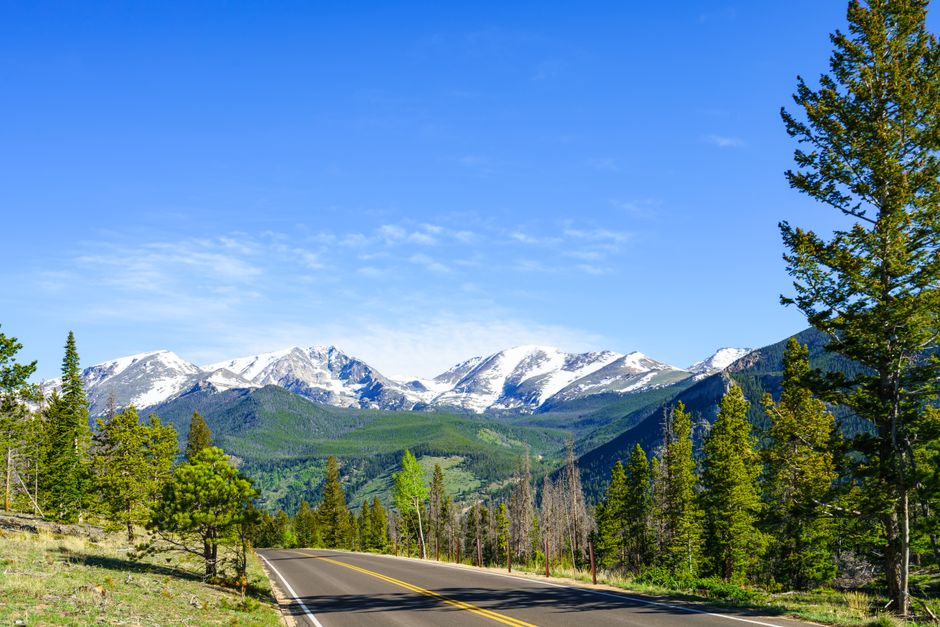
Rocky Mountain National Park, a crown jewel of the American West, offers an unparalleled landscape for exploration. Its rugged peaks, pristine alpine lakes, and abundant wildlife create a hiker’s paradise and a photographer’s dream. For those seeking a concentrated dose of this majestic scenery without the commitment of multi-day backpacking, day trips within and around the park provide an exceptional experience. These excursions cater to a range of abilities and interests, from leisurely scenic drives to challenging summit hikes. Understanding the park’s geography, seasonal accessibility, and the unique offerings of each region is key to planning the perfect Rocky Mountain day trip. Trail Ridge Road, the highest continuous paved road in North America, acts as a primary artery, bisecting the park and offering access to numerous trailheads and breathtaking overlooks. This iconic drive alone is a spectacular day trip, allowing visitors to ascend to the alpine tundra and witness panoramic vistas that stretch for miles.
Exploring the Eastern Slopes: Bear Lake Road Corridor
The Bear Lake Road corridor on the eastern side of Rocky Mountain National Park is arguably the most popular and accessible area for day trips, and for good reason. This network of roads and trails provides access to a concentration of stunning alpine lakes and relatively moderate hiking opportunities. The journey begins with a drive along Bear Lake Road itself, which is often cited as one of the most scenic drives in the United States. Pull-offs abound, offering stunning views of the surrounding peaks. The Bear Lake trailhead is the starting point for several classic day hikes. The Bear Lake Nature Trail, a paved, accessible loop, circles the lake and is perfect for families or those with mobility limitations. For a slightly more challenging but equally rewarding experience, the hike to Emerald Lake is a must. This approximately 3.2-mile roundtrip trail passes Nymph Lake and Dream Lake before culminating at the aptly named Emerald Lake, nestled beneath the towering Hallett Peak. Each lake offers a distinct beauty, and the trail is well-maintained and clearly marked.
Continuing on Bear Lake Road, the hike to Alberta Falls is another excellent option. This relatively short, moderate hike leads to a beautiful waterfall cascading down a rocky gorge. For those seeking a more strenuous challenge, the Sky Pond trail, accessed from the Glacier Gorge trailhead (also off Bear Lake Road), is a spectacular, albeit longer and more demanding, day trip. This ~9.4-mile roundtrip hike ascends past several beautiful lakes, including The Loch and Lake of Glass, before reaching the dramatic Sky Pond, situated in a cirque beneath the sheer face of Taylor Peak. The final scramble to Sky Pond adds an element of adventure, making it a memorable endeavor. The popularity of the Bear Lake Road corridor means that parking can be a significant challenge, especially during peak season. Utilizing the park’s free shuttle system, which operates between the Estes Park Visitor Center and various trailheads along Bear Lake Road, is highly recommended to avoid frustration.
Venturing West: The Kawuneeche Valley and Grand Lake
The western side of Rocky Mountain National Park offers a different, yet equally captivating, mountain experience. The Kawuneeche Valley, carved by the Colorado River, presents a more open, riparian landscape, contrasting with the dramatic alpine scenery of the east. Trail Ridge Road descends from the alpine tundra into this verdant valley, revealing lush meadows, abundant wildlife, and a more relaxed atmosphere. A prime day trip destination here is the Adams Falls trail, a short, easy hike from the Kawuneeche Visitor Center that leads to a picturesque waterfall. For those interested in wildlife viewing, the Kawuneeche Valley is a prime location. Elk, moose, deer, and a variety of bird species are frequently spotted in the meadows and along the riverbanks, particularly during dawn and dusk.
The town of Grand Lake, situated on the shores of the largest natural lake in Colorado, serves as a gateway to the western side of the park and offers a charming base for day trips. The Lake Granby area, just south of Grand Lake, provides opportunities for boating, fishing, and waterside strolls. Within the park, the hike to Lone Pine Lake, accessed from the west side of Trail Ridge Road, is a moderate, roughly 5-mile roundtrip excursion that rewards hikers with stunning views of the surrounding peaks reflected in the tranquil waters of the lake. Another rewarding day trip from Grand Lake is the drive along the western section of Trail Ridge Road, exploring overlooks and short trails on this side of the Continental Divide. The juxtaposition of the arid western slopes with the lush eastern forests provides a fascinating ecological study.
High Alpine Adventures: Trail Ridge Road and Beyond
Trail Ridge Road itself is a monumental day trip. Open seasonally, typically from late May to mid-October, this engineering marvel reaches an elevation of over 12,000 feet, offering an unparalleled opportunity to experience the alpine tundra. Numerous pull-offs, such as Forest Canyon Overlook, Lava Cliffs, and Medicine Bow Curve, provide breathtaking panoramas and access to short, interpretive trails. The Tundra Communities Trail, a paved, accessible path near the Alpine Visitor Center, allows visitors to walk amongst the hardy alpine flora and understand the unique ecosystem of this high-altitude environment. Keep in mind that weather at these elevations can change rapidly, and snow can persist well into summer. Layering clothing is essential, and visitors should be prepared for sun, wind, and potentially cold temperatures, even on a warm day.
Beyond the immediate overlooks, several more challenging day hikes can be accessed from Trail Ridge Road. The Ute Trail, a historic trail used by Native Americans, offers a relatively flat, high-alpine walk with expansive views. For experienced hikers seeking a summit, Hallett Peak and Flattop Mountain are popular objectives accessible from the Bear Lake Road corridor and offering commanding views of the park. These ascents are strenuous and require significant physical fitness, proper gear, and ample water. Always inform someone of your hiking plans and check weather forecasts before embarking on any high-alpine day trip. The sheer scale of the Rocky Mountains is best appreciated from these elevated vantage points, making any day trip along Trail Ridge Road an unforgettable experience.
Beyond the Park Boundaries: Exploring the Rockies’ Foothills and Neighboring Gems
While Rocky Mountain National Park is the undisputed star, the surrounding foothills and neighboring areas offer equally compelling day trip opportunities that showcase the broader majesty of the Rocky Mountain region. Just outside the park’s eastern entrance lies Estes Park, a charming mountain town that serves as a hub for outdoor recreation and offers its own set of attractions. A visit to the historic Stanley Hotel, the inspiration for Stephen King’s "The Shining," is a popular choice, offering tours and a glimpse into its storied past. The Big Thompson River, flowing through Estes Park, provides opportunities for fishing and scenic walks along its banks.
Heading south from Estes Park, the Poudre Canyon (Lory State Park and Cache la Poudre River Canyon) offers a different kind of mountain experience. Known for its dramatic granite formations and the roaring Poudre River, this area is a haven for whitewater rafting, kayaking, and scenic drives. Numerous hiking trails wind through the canyon, providing access to stunning viewpoints and diverse plant life. For those interested in geological wonders, the area around Loveland offers opportunities for exploring formations like the Devil’s Backbone, a prominent ridge offering challenging hikes and panoramic views.
Further afield, but still within reasonable driving distance for a dedicated day trip, are areas like the Indian Peaks Wilderness, south of Nederland. This region boasts pristine alpine lakes, rugged peaks, and a less crowded, more remote feel than RMNP. Hikes to lakes like Lake Isabelle or Pawnee Pass offer classic Rocky Mountain scenery. While these areas are outside the official park boundaries, they are integral to the overall Rocky Mountain experience and provide excellent alternatives or additions to an RMNP-focused day trip itinerary. Remember that many of these wilderness areas require more self-sufficiency and preparedness.
Practical Considerations for Rocky Mountain Day Trips: Essential Planning for Success
Successful day trips in the Rocky Mountains hinge on meticulous planning and a keen awareness of practicalities. Altitude sickness is a genuine concern. Given the significant elevation of the park, ascending rapidly can lead to headaches, nausea, and fatigue. Acclimatization is key. If arriving from a lower elevation, consider spending a day or two in Estes Park or Grand Lake before venturing into higher altitudes. Drink plenty of water, avoid strenuous activity upon arrival, and limit alcohol consumption.
Weather is another unpredictable factor. Mountain weather can change with alarming speed. Always check the forecast before setting out and be prepared for a range of conditions, including sun, wind, rain, and even snow, regardless of the season. Layering clothing is paramount: start with a base layer, add insulating layers like fleece or down, and top with a waterproof and windproof outer shell. A hat, gloves, and sunscreen are essential year-round due to the intense sun at high altitudes.
Footwear is non-negotiable. Sturdy, broken-in hiking boots with good ankle support are vital for navigating uneven terrain and protecting your feet. Bringing at least two liters of water per person is a good rule of thumb for any significant hike, and even more for longer or more strenuous excursions. High-energy snacks, such as trail mix, energy bars, and fruit, will help maintain your energy levels throughout the day.
Navigation is crucial, especially on longer or less-traveled trails. While many popular trails are well-marked, it’s wise to carry a physical map and compass or a GPS device, and to know how to use them. Downloading offline maps on your smartphone is also a good practice. Wildlife encounters are a highlight of Rocky Mountain National Park, but they require respect and caution. Maintain a safe distance from all animals, never feed them, and be aware of your surroundings, especially when it comes to bears and moose. Carrying bear spray and knowing how to use it is recommended in certain areas.
Reservations and Permits may be required, particularly during peak season. Rocky Mountain National Park has implemented a timed entry permit system to manage visitor numbers and reduce congestion. It is imperative to check the official park website (nps.gov/romo) for the most up-to-date information on permit requirements, shuttle services, road closures, and trail conditions. Planning ahead and securing necessary permits well in advance can save considerable frustration and ensure access to your desired destinations. Finally, Leave No Trace principles should be strictly adhered to: pack out everything you pack in, stay on marked trails, and minimize your impact on the fragile mountain environment. By being prepared and mindful, your Rocky Mountain day trip will undoubtedly be a success.