
The Bahamas Visitors Hurricane Affected Areas

Navigating the Aftermath: A Comprehensive Guide for Visitors to Hurricane-Affected Areas in the Bahamas
The Bahamas, renowned for its azure waters and vibrant culture, has unfortunately faced the destructive power of hurricanes in recent years. For prospective visitors, understanding which areas have been affected, the current state of recovery, and how to travel responsibly is paramount. This guide aims to provide a detailed, SEO-friendly overview for those planning a trip to the archipelago, offering crucial information to ensure a safe and informed travel experience.
Understanding the Impact: Islands Most Affected by Recent Hurricanes
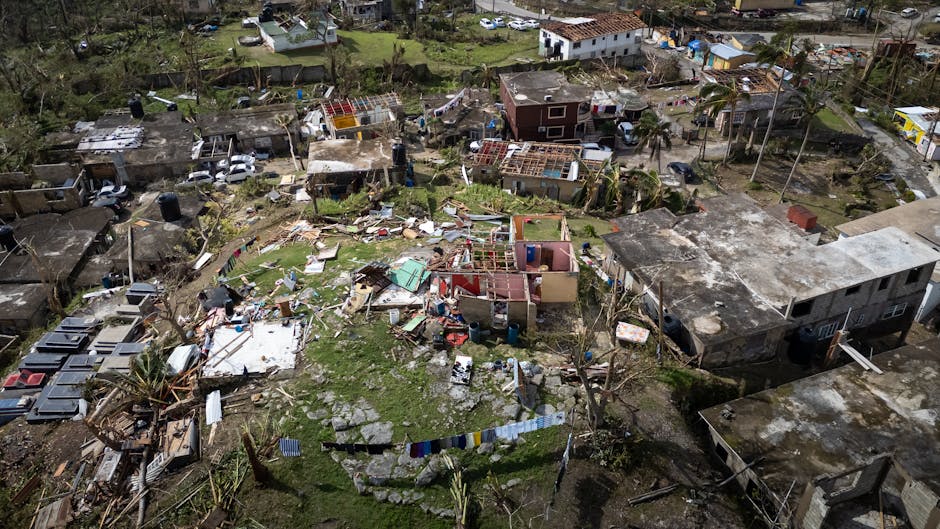
While hurricanes can impact multiple islands, specific events have left a more significant mark on certain regions. Hurricane Dorian in 2019, for instance, caused catastrophic damage to the northern islands of Abaco and Grand Bahama. Homes, infrastructure, and natural landscapes were devastated. The recovery process in these areas has been extensive, with significant rebuilding efforts underway. However, it’s crucial to acknowledge that the full restoration of tourism and amenities may still be in progress. Visitors considering Abaco or Grand Bahama should conduct thorough, up-to-date research regarding the operational status of resorts, attractions, and transportation. Many businesses have resiliently reopened, often with enhanced facilities, while others are still in various stages of rebuilding. The spirit of resilience is palpable, and supporting these recovering communities through mindful tourism is a vital component of their ongoing recovery.
More recently, other islands may have experienced localized impacts from storms. While not on the same scale as Dorian, any storm can disrupt power, water, and transportation for a period. The Bahamian government and tourism authorities provide real-time updates through official channels. Staying informed about the current hurricane season and any developing weather patterns is always a prudent measure for any traveler to the Caribbean. The Bahamas is a chain of islands, and the impact of a storm can be highly localized. Even if one island experiences significant weather, others might remain largely unaffected. This geographical nuance is critical for planning. For example, islands like Exuma, Eleuthera, or the southern Bahamas (like Long Island or Mayaguana) may have experienced minimal to no direct impact from storms that heavily affected the northern islands. Therefore, pre-travel research should focus on the specific island or islands you intend to visit.
Assessing the Recovery Status: What to Expect When You Arrive
The recovery narrative in the Bahamas is one of remarkable resilience and determined rebuilding. For islands directly impacted by major hurricanes, the landscape is a testament to human spirit. Infrastructure, including roads, airports, and utilities, has seen significant investment and reconstruction. Many resorts and hotels, particularly in tourist hubs, have reopened, often with upgraded facilities and a renewed commitment to guest experience. However, it is essential to manage expectations. While the core tourist infrastructure is largely operational, some smaller establishments or individual properties might still be in the process of repair or renovation. The natural beauty of the islands, a major draw for visitors, has also been a focus of restoration. Efforts are underway to replant vegetation, restore coral reefs, and protect natural habitats.
When planning a trip to an area known to have been affected, it is highly recommended to directly contact your chosen accommodation and tour operators. This is the most reliable way to ascertain their current operational status, available amenities, and any specific protocols they may have in place. Websites of the Bahamas Ministry of Tourism & Aviation, as well as the official tourism boards of individual islands, often provide updated information on recovery progress and available services. These resources are invaluable for gaining an accurate picture of what to anticipate upon arrival. Furthermore, consider the types of activities you wish to engage in. If your focus is on pristine beaches and water sports, verify the accessibility and condition of these areas. If you’re interested in exploring local villages and cultural sites, inquire about their accessibility and any community-led recovery initiatives you can support.
The economic recovery of the Bahamas is intrinsically linked to its tourism sector. By choosing to visit responsibly, travelers play a vital role in supporting local businesses, restoring employment, and contributing to the community’s rebuilding efforts. This conscious decision to travel can have a profoundly positive ripple effect.
Travel Advisories and Safety Information: Prioritizing a Secure Journey
Staying informed about official travel advisories is a non-negotiable aspect of planning a trip to any hurricane-prone region. The United States Department of State, for instance, provides comprehensive travel advisories for its citizens, offering insights into safety and security concerns. Similarly, other countries’ foreign affairs ministries offer similar guidance. These advisories are updated regularly and are crucial for understanding any ongoing risks or recommendations. Pay close attention to any advisories specifically mentioning infrastructure disruptions, health concerns, or recommended precautions.
In addition to government advisories, reputable travel insurance is an indispensable tool. Ensure your policy covers trip cancellations or interruptions due to natural disasters, as well as medical emergencies. Understanding the terms and conditions of your insurance is vital before purchasing. When you arrive in the Bahamas, familiarize yourself with local emergency procedures and the locations of any designated shelters, even if you are not traveling during peak hurricane season. Heed any instructions from local authorities and be prepared to adjust your itinerary if weather conditions change.
The Bahamian National Emergency Management Agency (NEMA) is the primary government body responsible for disaster preparedness and response. Their website and social media channels are excellent sources of real-time information during and after a storm. Local news outlets are also valuable resources for up-to-the-minute updates. When in doubt about safety or emergency procedures, do not hesitate to contact your hotel’s management or local emergency services. Prioritizing preparedness and staying vigilant are key to a safe and enjoyable trip.
Choosing Your Destination: Islands with Minimal Hurricane Impact or Advanced Recovery
For visitors seeking to minimize the potential for encountering hurricane-affected areas, focusing on islands that have experienced less direct impact or have demonstrated rapid recovery is a strategic approach. While direct impact is always a possibility in a hurricane-prone region, some islands are geographically less susceptible or have robust infrastructure that aids in quicker restoration.
Islands to Consider for a More Assured Experience:
- The Exumas: This chain of islands, famous for its swimming pigs and crystal-clear waters, is often less directly impacted by major storms due to its southeastern positioning. The Exumas boast a strong tourism infrastructure with numerous resorts and local businesses that have largely remained operational. The focus here is on pristine natural beauty and marine activities.
- Eleuthera and Harbour Island: Known for their pink sand beaches and charming atmosphere, Eleuthera and its exclusive neighbor, Harbour Island, are generally resilient. While they may experience the peripheral effects of storms, their tourism sector is well-established and typically recovers swiftly. These islands offer a more laid-back and sophisticated travel experience.
- The Southern Bahamas (Long Island, Crooked Island, Mayaguana, Acklins): These more remote islands, while offering a more secluded and authentic Bahamian experience, are geographically positioned to the south of many major hurricane tracks. This does not mean they are entirely immune, but the likelihood of significant impact from storms affecting the northern islands is reduced. These destinations are ideal for travelers seeking untouched natural beauty and a break from the typical tourist crowds.
- Nassau and Paradise Island (New Providence): As the most populated island and the nation’s capital, New Providence and its adjacent Paradise Island have a highly developed tourism infrastructure. While they can be affected by storms, the scale of investment in infrastructure means recovery is often rapid. Numerous large resorts and a wide array of activities are typically available, even in the aftermath of less severe weather events. However, it’s always prudent to check on specific resort statuses.
When researching these destinations, look for information regarding their post-storm recovery efforts and the operational status of key attractions. Many islands have actively worked to promote their readiness for tourism, showcasing their rebuilt or unaffected areas.
Supporting Local Communities: Responsible Tourism Practices
Traveling to the Bahamas with a mindful approach to supporting local communities is an integral part of a responsible and impactful visit, especially in the wake of hurricanes. Your tourism dollars have a direct and significant effect on the lives of Bahamians.
Strategies for Responsible Tourism:
- Patronize Local Businesses: Opt for locally owned restaurants, shops, and tour operators over large international chains. This ensures that your money directly benefits the Bahamian economy and helps rebuild small businesses that are the backbone of many communities. Seek out authentic craft markets and art galleries.
- Choose Eco-Friendly Accommodations: Many hotels and resorts in the Bahamas are committed to sustainable practices. Look for establishments that prioritize environmental conservation, waste reduction, and community engagement. This could include hotels that source local produce, utilize renewable energy, or have strong partnerships with local conservation initiatives.
- Engage in Community-Based Tourism: Consider tours and activities that are led by local guides and offer insights into the culture and history of the islands. These experiences often provide a deeper connection to the place and its people, and a portion of the proceeds may go directly to community development projects.
- Be Mindful of Environmental Impact: Respect the natural environment. Avoid purchasing souvenirs made from endangered species and practice responsible diving and snorkeling by not touching coral reefs. Dispose of trash properly and be aware of water and energy conservation efforts.
- Support Rebuilding Efforts Directly (If Appropriate): While not a primary focus for most tourists, some visitors may wish to contribute to ongoing rebuilding efforts. Research reputable local charities or organizations that are actively involved in post-hurricane recovery and consider making a donation. However, always ensure you are donating to legitimate and impactful organizations.
- Educate Yourself: Before you travel, take the time to understand the challenges and triumphs of the communities you will be visiting. This knowledge will foster a deeper appreciation for their resilience and enhance your ability to engage respectfully.
By embracing these responsible tourism practices, visitors can not only enjoy the beauty and culture of the Bahamas but also contribute meaningfully to its ongoing recovery and sustainable future. Your presence as a thoughtful traveler can be a powerful force for good.
Practical Tips for Pre-Trip Planning and On-Site Navigation
Thorough preparation is key to a seamless and enjoyable travel experience in the Bahamas, especially when considering the potential impacts of hurricanes. Proactive planning can mitigate unforeseen challenges and ensure your trip is as smooth as possible.
Pre-Trip Planning Essentials:
- Stay Informed: Regularly check official sources for weather updates and travel advisories. Websites of the Bahamas Ministry of Tourism & Aviation, the National Hurricane Center (for the US perspective), and your own country’s foreign affairs ministry are invaluable.
- Book Flexible Travel: If possible, opt for flights and accommodations with flexible cancellation or rebooking policies. This provides peace of mind in case of weather-related disruptions.
- Contact Accommodation Directly: As mentioned previously, reaching out to your hotel or resort to confirm their operational status, available amenities, and any specific hurricane preparedness plans is crucial.
- Secure Comprehensive Travel Insurance: This is non-negotiable. Ensure your policy covers trip cancellation, interruption, medical emergencies, and baggage loss, with specific clauses for natural disasters.
- Pack Smart: Include essentials like a first-aid kit, insect repellent, sunscreen, a reusable water bottle, and any necessary medications. Consider packing a portable power bank for your electronic devices.
- Learn Basic Phrases: While English is widely spoken, knowing a few basic Bahamian Creole phrases can enhance your interactions with locals.
On-Site Navigation and Safety:
- Heed Local Advice: Always follow the instructions of local authorities and emergency personnel. If a storm is approaching, do not hesitate to evacuate or seek shelter as advised.
- Stay Connected: Ensure you have a reliable way to stay connected, whether through a local SIM card or international roaming. This is vital for receiving emergency alerts and communicating with loved ones.
- Be Patient and Understanding: Recovery efforts can take time. While the Bahamas is incredibly welcoming, there may be instances where infrastructure is still being repaired. A patient and understanding demeanor will go a long way.
- Respect Local Customs and Culture: Be mindful of local traditions and etiquette. Dress modestly when visiting religious sites or local communities.
- Stay Hydrated and Protected: The Bahamian climate can be hot and humid. Drink plenty of water, wear protective clothing, and use sunscreen to avoid sunburn and heatstroke.
- Be Aware of Your Surroundings: As with any travel destination, it’s important to be aware of your surroundings and take general safety precautions.
By embracing these practical tips, visitors can approach their trip to the Bahamas with confidence, preparedness, and a deep respect for the resilience of its people and its natural beauty. The islands welcome visitors with open arms, and a well-planned trip ensures a memorable and rewarding experience.


