Slovenia On A Budget
Slovenia on a Budget: Unforgettable Adventures Without Breaking the Bank
Slovenia, a compact European gem nestled between the Alps and the Adriatic, offers a remarkably diverse and stunning travel experience. From emerald rivers and pristine lakes to dramatic mountain peaks and charming medieval towns, its natural beauty and rich history are undeniable. While often perceived as a pricier Western European destination, it is entirely possible to explore Slovenia affordably. This guide focuses on maximizing your Slovenian adventure while minimizing expenses, covering accommodation, transportation, food, and activities to prove that a memorable trip doesn’t require a lavish budget. Understanding the local currency, the Euro, and being mindful of seasonal price fluctuations will be key to successful budget travel. Prioritizing experiences over luxury and embracing local culture will unlock the true value of Slovenia for the economical traveler.
Accommodation is a significant portion of any travel budget. Slovenia offers a spectrum of options catering to various price points. Hostels are an excellent choice for solo travelers and those seeking a social atmosphere. Expect to pay between €20-€35 per night for a dorm bed, with private rooms typically ranging from €50-€80. Cities like Ljubljana and Bled boast numerous well-maintained and highly-rated hostels. Consider "Hostel Celica" in Ljubljana, a former military prison offering a unique experience. For couples or small groups seeking more privacy at a reasonable cost, guesthouses and private rooms rented through platforms like Airbnb are ideal. These often provide a more local feel and can cost between €40-€70 per night for a double room. Look for accommodations slightly outside the absolute city centers; a short walk or a quick bus ride can significantly reduce costs without sacrificing accessibility. Camping is another highly budget-friendly option, especially during the warmer months. Slovenia has a good network of campsites, particularly around popular tourist areas like Lake Bled and in the Julian Alps. Campsite fees usually range from €10-€25 per person per night, often including access to facilities like shared kitchens and bathrooms, which can further reduce food expenses. For the truly adventurous and budget-conscious, wild camping might be considered in certain remote alpine areas, but it’s crucial to research and respect local regulations and environmental guidelines. Booking accommodation in advance, especially during peak season (July-August), is highly recommended to secure the best prices and availability. Traveling in the shoulder seasons, such as May-June or September-October, can also lead to substantial savings on accommodation.
Transportation within Slovenia is efficient and cost-effective, especially when utilizing public transport. The country has an excellent bus network connecting most towns and cities. Buses are generally more frequent and reach more destinations than trains. A one-way ticket between major cities like Ljubljana and Maribor will typically cost between €8-€15. Booking bus tickets online in advance through companies like FlixBus or Nomago can sometimes offer discounted fares. For shorter distances or more scenic routes, consider local bus services, though schedules might be less frequent. The Slovenian railway network is also a viable option, particularly for traversing the mountainous regions. While potentially slower than buses for intercity travel, train journeys offer stunning panoramic views, especially the route between Jesenice and Nova Gorica. A typical train ticket between Ljubljana and Bled costs around €5-€8. For budget travelers, purchasing a multi-day travel pass might be economical if you plan on frequent travel between cities. Car rental can be convenient but adds significant costs with rental fees, fuel, and potential parking charges, especially in tourist hotspots. If renting a car is essential, consider a smaller, fuel-efficient model and factor in the cost of toll stickers (vignettes) required for most highways. The most budget-friendly way to explore smaller towns and rural areas is by bicycle. Slovenia is increasingly becoming a cyclist-friendly destination with dedicated bike paths and rental options available in most tourist hubs. Day rentals can range from €15-€30, and multi-day rentals offer further discounts. For those traveling between Slovenia and neighboring countries, budget airlines can sometimes offer competitive flight deals into Ljubljana Jože Pučnik Airport (LJU). However, for intra-Slovenian travel, buses and trains remain the most economical choices.
Food is a crucial element of any travel experience, and Slovenia offers delicious and affordable options if you know where to look. To save money, embrace local eateries and markets over tourist-oriented restaurants. "Gostilnas" are traditional Slovenian inns offering hearty, home-style meals at very reasonable prices. Expect to pay €8-€15 for a main course. Look for daily specials or "kosilo" (lunch menus), which are often significantly cheaper and include a soup, main course, and sometimes a salad or dessert. Typical Slovenian dishes to try include "jota" (a hearty bean and sauerkraut soup), "štruklji" (rolled dumplings with various fillings), and "kranjska klobasa" (Carniolan sausage). Supermarkets are your best friend for budget meals. They are widely available and offer a good selection of fresh produce, bread, cheese, meats, and pre-made salads. Picnics are an excellent way to enjoy Slovenia’s beautiful natural landscapes while saving money. Grab some local bread, cheese, cured meats, and fruit from a supermarket and find a scenic spot by a lake or in the mountains. Bakeries are also great for cheap and filling snacks or breakfast items like "kifli" (crescent rolls) or pastries. For a quick and cheap meal, consider "burek," a savory or sweet pastry found in bakeries, costing just a few Euros. Coffee culture is prevalent, and a cappuccino in a local café will typically cost €2-€3. Avoid ordering drinks at restaurants unless you’re having a full meal, as they can add up quickly. Tap water in Slovenia is safe and potable, so carry a reusable water bottle to avoid purchasing bottled water. Trying local wines and beers is a must, and they are generally more affordable than imported beverages. Look for wines from local Slovenian vineyards, which offer excellent value.
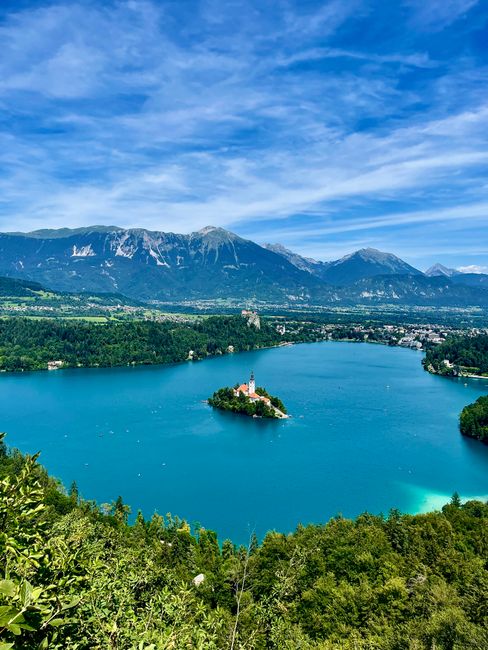
Slovenia is a paradise for nature lovers and outdoor enthusiasts, and many of its most breathtaking attractions can be enjoyed for free or at a low cost. Lake Bled, while iconic, can be enjoyed without spending a fortune. Admire the island church and the clifftop castle from the shore, or rent a rowboat for a more immersive experience at a cost of around €20-€30 per hour. Walking around the lake is free and offers stunning perspectives. The island church can be visited for a small entrance fee. Hiking in the Julian Alps is an unparalleled budget activity. The Triglav National Park offers a vast network of well-marked trails suitable for all fitness levels, from gentle strolls to challenging alpine ascents. Pack a picnic and water, and spend a full day exploring magnificent scenery without spending a cent on entry fees. Popular hikes include the Vintgar Gorge (a small entrance fee applies, around €10), the trails around Lake Bohinj (a more serene alternative to Bled), and the Seven Lakes Valley. Exploring the Škocjan Caves or the Postojna Cave system are popular activities, but they come with significant entrance fees (around €20-€30 each). For a more budget-friendly cave experience, consider smaller, less famous caves like the Špečka Jama near Ajdovščina. Ljubljana, the capital, is a beautiful city to explore on foot. Wander through the charming Old Town, cross the Triple Bridge and the Dragon Bridge, and enjoy the vibrant riverside atmosphere. Most of the city’s attractions, including the Preseren Square and the Tivoli Park, are free to access. Climbing up to Ljubljana Castle for panoramic views offers a small fee, but the walk up is free. Visiting local markets, like the Central Market in Ljubljana, is a cultural experience in itself and a great place to sample local produce and observe daily life. Many small towns and villages, such as Piran on the coast or Škofja Loka inland, are best explored by simply wandering through their picturesque streets, an entirely free activity. Slovenia’s coastline, while not extensive, offers charming towns like Piran, where enjoying the sunset over the Adriatic from the city walls is a priceless and free experience. Participating in local festivals and events, which are often free or have a nominal entry fee, can provide an authentic cultural immersion.
For those seeking cultural immersion on a budget, Slovenia offers numerous opportunities to engage with its rich heritage without breaking the bank. Museums in Ljubljana and other major cities typically have entrance fees ranging from €5-€10. Many offer free admission days or discounts for students and seniors. Prioritize museums that align with your interests; for instance, the National Museum of Slovenia covers history and ethnography, while the Museum of Modern Art showcases Slovenian artists. Instead of paying for guided tours in every city, consider downloading free audio guides or utilizing online resources to learn about the history and significance of landmarks. Many churches and cathedrals across Slovenia are free to enter, offering stunning architecture and religious art. The most famous, Ljubljana Cathedral, is a prime example. Exploring the outdoor markets not only saves money on food but also provides a glimpse into local life and traditions. Engaging with locals, even with limited Slovenian language skills, can lead to unexpected insights and recommendations for hidden gems that might not be in guidebooks. Learning a few basic Slovenian phrases like "Dober dan" (Good day) and "Hvala" (Thank you) can greatly enhance your interactions and often lead to warmer receptions. Look for free walking tours, often offered in larger cities, which are a fantastic way to get an overview of the city’s history and key landmarks, though tipping the guide is customary. Attending free concerts or cultural performances, especially during summer months when many towns host outdoor events, can be a rewarding and cost-effective way to experience Slovenian culture. The architecture of Slovenian towns, from the Baroque influences in Ljubljana to the Venetian style in Piran, is a free attraction in itself, best appreciated by simply walking and observing. Consider visiting regional museums, which are often smaller and less crowded, and may offer a more focused and affordable look at local history and crafts.
When planning a budget trip to Slovenia, understanding peak and off-peak seasons is paramount for maximizing savings. The peak tourist season generally runs from June to August, characterized by the warmest weather, longest daylight hours, and highest prices for accommodation and flights. To travel Slovenia on a budget, aim for the shoulder seasons: April to May and September to October. During these periods, you’ll find significantly lower prices on flights and lodging, fewer crowds at popular attractions, and still enjoy pleasant weather suitable for outdoor activities. Winter (November to March) offers the lowest prices, especially for accommodation, and can be ideal for skiing or enjoying the festive Christmas markets. However, some attractions might have reduced operating hours, and outdoor activities like hiking can be limited by snow. Flexibility with travel dates is a significant advantage for budget travelers. If possible, consider traveling mid-week rather than on weekends, as this can sometimes result in lower prices for accommodation and transportation. Researching and booking flights and accommodation well in advance, ideally several months prior to your travel dates, is a well-established strategy for securing the best deals. Keep an eye out for last-minute deals, although these can be risky and may not always offer the best value. Travel insurance is a wise investment, even on a budget, as unexpected medical emergencies or trip cancellations can be financially devastating. Look for policies that offer good coverage at a reasonable price. Understanding local tipping customs can also prevent unnecessary spending. In Slovenia, tipping is not mandatory but is appreciated for good service, typically around 5-10% in restaurants and for tour guides. Be aware of any tourist taxes that may be levied by municipalities, usually a small per-person, per-night fee added to accommodation costs.
In conclusion, Slovenia on a budget is not only achievable but also incredibly rewarding. By strategically choosing accommodation, utilizing efficient public transportation, embracing local culinary delights, and prioritizing free or low-cost natural and cultural attractions, travelers can experience the full spectrum of this beautiful country without overspending. The key lies in mindful planning, a willingness to embrace local culture, and an understanding that the most memorable experiences are often not the most expensive. Slovenia offers a remarkable blend of natural beauty, history, and vibrant culture that is accessible to a wide range of budgets, proving that unforgettable European adventures can indeed be enjoyed economically.