
Things To Know Before Traveling To Detroit

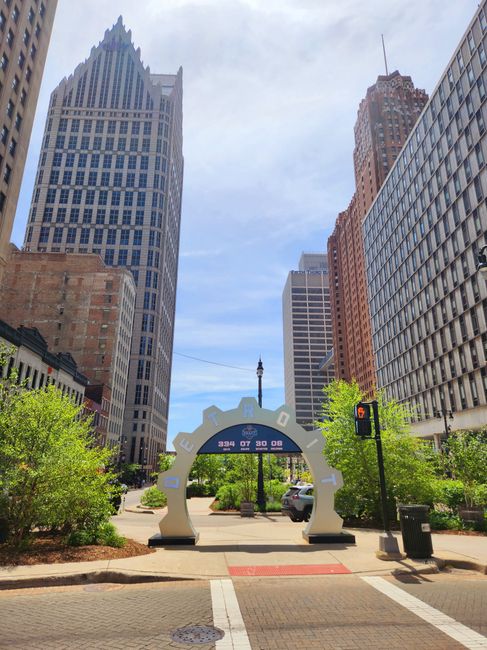
Detroit Travel Guide: Essential Knowledge for Your Motor City Adventure
Detroit, a city reborn and brimming with a unique blend of grit, innovation, and artistic spirit, offers a compelling travel experience for those seeking authenticity and cultural depth. Beyond its automotive legacy, the Motor City boasts a thriving culinary scene, world-class museums, a vibrant music history, and burgeoning entrepreneurial hubs. However, like any major metropolitan area, understanding certain practicalities will significantly enhance your trip and ensure a smoother, more rewarding visit. This guide provides essential knowledge for anyone planning to explore Detroit, covering everything from transportation and accommodation to safety, local etiquette, and embracing the city’s evolving landscape.
Navigating Detroit’s transportation landscape requires a strategic approach. While the city is known for its car culture, public transit options have expanded and are increasingly viable for visitors. The Detroit Department of Transportation (DDOT) operates an extensive bus network serving most neighborhoods and attractions. For a more streamlined experience, the QLine streetcar offers a convenient hop-on, hop-off service along Woodward Avenue, connecting downtown, Midtown, and New Center. This is particularly useful for accessing key cultural institutions like the Detroit Institute of Arts and the Henry Ford Museum. Ride-sharing services like Uber and Lyft are readily available and often the most flexible option for reaching areas not well-served by public transport or for late-night travel. Renting a car remains a popular choice, especially if you plan to explore attractions outside the immediate city center, such as Greenfield Village or the Detroit Institute of Arts at your own pace. However, be mindful of parking availability and costs, particularly in downtown areas. Researching parking garages or street parking regulations in advance is advisable. For the environmentally conscious and those seeking a more active exploration, bicycle rentals are also becoming more prevalent, with dedicated bike lanes being developed in various parts of the city. Familiarizing yourself with the Detroit Transit App or similar services can help you plan your bus and QLine journeys efficiently.
Accommodation in Detroit offers a diverse range of options to suit various budgets and travel styles. Downtown Detroit has seen a significant revitalization, with numerous boutique hotels and larger chains now available, offering proximity to financial districts, sports arenas, and entertainment venues. Midtown, known for its cultural institutions and lively atmosphere, provides a more bohemian and arts-focused lodging experience, often in historic buildings. New Center, a hub for historic architecture and corporate offices, also presents a selection of hotels. For those seeking a more local flavor or a potentially more affordable option, exploring neighborhoods like Corktown or Eastern Market might reveal charming guesthouses or vacation rentals. When booking, consider your primary interests and the ease of access to them. For instance, if your focus is on museums and galleries, Midtown is an ideal base. If you’re attending a Tigers game or a concert at Little Caesars Arena, downtown is your best bet. Researching reviews for cleanliness, amenities, and proximity to public transport or desired attractions is crucial. Some visitors may also consider staying in neighboring suburbs for potentially lower costs, but factor in the increased travel time to reach central Detroit attractions.
Safety in Detroit, like any large city, is a topic that warrants consideration but should not deter exploration. While certain areas have historically struggled with crime, significant progress has been made in many neighborhoods, particularly those experiencing revitalization. It’s essential to exercise common-sense precautions. Stick to well-lit, populated areas, especially at night. Be aware of your surroundings and avoid displaying excessive wealth, such as expensive jewelry or large amounts of cash. Keep valuables secured and out of sight in your vehicle. When using ride-sharing services, always verify the driver and vehicle information matches the app. If you’re driving, be mindful of parking your car in secure locations. Researching neighborhoods before you visit, understanding which areas are generally considered safe for tourists, and listening to local recommendations can be very helpful. Many visitors find Detroit to be a welcoming city, and with basic precautions, you can have a safe and enjoyable experience. Don’t let outdated perceptions or sensationalized news reports unduly influence your travel plans.
Understanding Detroit’s local culture and etiquette will enrich your interactions and overall experience. Detroiters are known for their directness and resilience, often with a strong sense of community pride. A simple "hello" or nod when passing someone on the street is appreciated. Tipping customs are standard in the United States, with 15-20% expected for service staff in restaurants, bars, and for other service providers. When visiting local establishments, particularly in the diverse culinary scene, be open to trying regional specialties and engaging with chefs and owners who are often passionate about their craft. The city has a rich history of activism and social change, and you may encounter this spirit in various forms. Showing respect for local history and ongoing community efforts will be well-received. If you’re unsure about something, don’t hesitate to ask a local; most Detroiters are happy to share their city with visitors.
Detroit’s culinary landscape is a major draw for travelers, offering a diverse and evolving scene that reflects the city’s multicultural heritage. Beyond the classic coney dog (a staple you must try!), the city boasts an impressive array of restaurants, from upscale dining to innovative ethnic eateries. Eastern Market, one of the nation’s oldest and largest outdoor markets, is a must-visit for fresh produce, artisanal products, and a vibrant atmosphere, especially on Saturdays. Corktown, the city’s oldest neighborhood, features a burgeoning restaurant and bar scene with a focus on craft cocktails and modern American cuisine. Midtown offers a concentration of diverse dining options, catering to various tastes and budgets. The culinary scene is constantly innovating, with a strong emphasis on farm-to-table ingredients and creative fusion. Exploring the diverse neighborhoods will reveal hidden gems and authentic flavors. Don’t be afraid to venture beyond the most well-known establishments; some of the most memorable meals can be found in less obvious locations. Researching current restaurant reviews and making reservations, especially for popular spots, is recommended.
The rich musical heritage of Detroit is intrinsically linked to its identity. The city is the birthplace of Motown Records, and a visit to the Motown Museum (Hitsville U.S.A.) is an essential pilgrimage for music lovers. This iconic landmark offers a glimpse into the magic that created some of the world’s most beloved songs. Beyond Motown, Detroit is a global hub for techno music, a genre that emerged from its underground club scene. Exploring live music venues, from intimate bars to larger concert halls, can provide an authentic experience of the city’s ongoing musical contributions. Keep an eye on local event listings for concerts, DJ nights, and other musical happenings. The Detroit Symphony Orchestra also offers world-class classical performances. Immersing yourself in the city’s soundscape, whether through its historical landmarks or contemporary venues, is a key part of understanding Detroit’s soul.
Detroit’s artistic and cultural institutions are world-class and a significant reason to visit. The Detroit Institute of Arts (DIA) is a must-see, housing an impressive collection spanning centuries and cultures, including Diego Rivera’s iconic Detroit Industry Murals. The Henry Ford Museum of American Innovation in nearby Dearborn offers a comprehensive exploration of American ingenuity and history, with iconic artifacts like the Rosa Parks bus and presidential limousines. For those interested in contemporary art, The Museum of Contemporary Art Detroit (MOCAD) and various galleries throughout Midtown and downtown showcase cutting-edge works. Beyond museums, explore the city’s vibrant street art scene, with murals adorning buildings throughout various neighborhoods, adding a splash of color and storytelling to the urban landscape. Consider purchasing a CityPass or similar discount card if you plan to visit multiple attractions to save on admission fees.
The revitalization of Detroit is a story of resilience and innovation, and understanding this context will deepen your appreciation for the city. You’ll witness ongoing development in various neighborhoods, with new businesses, housing, and public spaces emerging. While some areas are experiencing rapid transformation, others retain their historic character and community feel. Be mindful that "revitalization" can mean different things to different people; engage with the process respectfully. Supporting local businesses, engaging with community initiatives, and understanding the nuances of the city’s ongoing evolution are all part of a thoughtful visit. Detroit is not a city frozen in time; it’s a dynamic and evolving entity, and experiencing this ongoing narrative is a unique aspect of traveling here.
When planning your trip to Detroit, consider the best time of year to visit based on your preferences. Spring (April-May) and fall (September-October) generally offer pleasant weather, ideal for exploring the city’s outdoor attractions and walking tours. Summer (June-August) can be hot but is also a time for festivals and outdoor events. Winter (November-March) can be cold, but the city offers indoor attractions and a unique charm during the colder months, with fewer crowds. Booking accommodations and flights in advance, especially during peak tourist seasons or around major sporting events, is highly recommended to secure better rates and availability.
Finally, approach Detroit with an open mind and a willingness to explore beyond the headlines. The city offers a powerful narrative of reinvention, a rich cultural tapestry, and a genuine warmth from its residents. By being informed about transportation, accommodation, safety, and local customs, you’ll be well-equipped to discover the authentic soul of the Motor City.


