Saint Pierre And Miquelon How To Visit

Saint Pierre and Miquelon: Your Essential Guide to Visiting This Unique North Atlantic Archipelago
Saint Pierre and Miquelon, a French overseas collectivity nestled in the North Atlantic Ocean off the coast of Newfoundland, Canada, offers a travel experience unlike any other. This archipelago, comprising the islands of Saint Pierre, Miquelon, and Langlade, is a captivating blend of French culture and rugged maritime heritage. For intrepid travelers seeking an off-the-beaten-path destination, understanding how to visit and what to expect is paramount. The journey, while not as straightforward as a typical European getaway, is part of the allure, promising an immersion into a distinct and historically rich environment. This guide provides a comprehensive overview of planning your visit, from transportation and accommodation to essential activities and cultural insights, ensuring a smooth and memorable expedition to this captivating corner of the world.
Reaching Saint Pierre and Miquelon: The Gateway to the Archipelago
The primary gateway to Saint Pierre and Miquelon is through Saint Pierre Island, which boasts the archipelago’s only airport, Saint Pierre Airport (FSP). Direct flights are available from a limited number of locations, making the journey a deliberate choice rather than a spontaneous decision. The most consistent and common route is via Saint-Pierre-et-Miquelon Airport (YPJ) in Saint-Pierre from Halifax Stanfield International Airport (YHZ) in Nova Scotia, Canada, operated by Air Saint-Pierre. These flights are typically several times a week, and booking in advance is highly recommended, especially during peak travel seasons. Weather conditions in the North Atlantic can be unpredictable, and flight schedules are subject to change due to fog or strong winds, a characteristic of the region’s maritime climate. Travelers should always check the latest flight information directly with Air Saint-Pierre or their chosen travel agent.
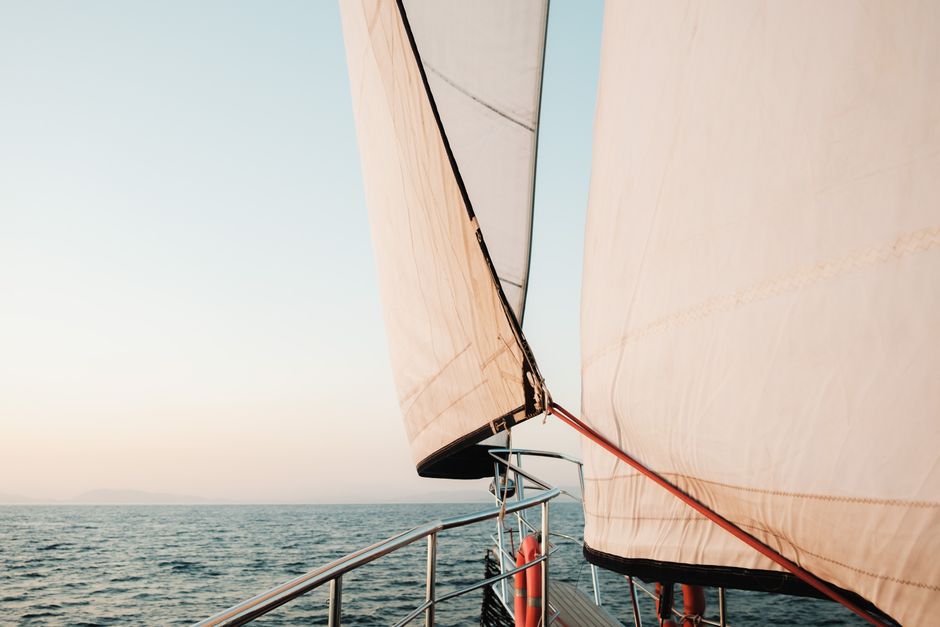
Alternatively, reaching Saint Pierre and Miquelon is possible via ferry. This option connects to the archipelago from Fortune, Newfoundland, Canada, a journey that offers a scenic, albeit longer, introduction to the islands. The ferry service is operated by the N.M. Miquelon, and the crossing takes approximately six hours. This route is seasonal, typically running from late spring to early autumn. Travelers opting for the ferry should also be aware of potential schedule changes due to weather. This ferry provides a more immersive travel experience, allowing passengers to appreciate the vastness of the Atlantic and anticipate the archipelago’s distinctive landscape. It’s crucial to confirm ferry schedules and book tickets in advance, as capacity is limited.
For those arriving from outside of Canada, the most common approach is to fly into a major Canadian international airport, such as Halifax, Montreal, or Toronto, and then connect to the direct flight to Saint Pierre. It is essential to factor in sufficient layover time, especially when dealing with international connections and domestic flights to the archipelago, as customs and immigration procedures can vary. Understanding visa requirements for Canada, if applicable, is also a necessary preparatory step before embarking on the journey to Saint Pierre and Miquelon.
Navigating Within the Archipelago: Island Hopping and Local Transport
Once you arrive on Saint Pierre Island, getting around is relatively straightforward. The town of Saint Pierre is compact and easily navigable on foot. Many attractions, accommodations, and dining options are within walking distance. For exploring further afield on Saint Pierre, renting a car is an option, though not strictly necessary for most visitors. The road network is decent but can be narrow and winding in some areas. Local taxis are also available for hire, offering a convenient way to reach specific destinations without the need to drive yourself.
The most exciting inter-island transfer is the ferry service between Saint Pierre and Miquelon. This essential connection allows visitors to experience both of the main inhabited islands. The ferry, known as the "Cabot," operates daily, weather permitting, and the crossing takes about one hour. Booking tickets in advance, especially during summer months, is strongly advised. The ferry also carries vehicles, allowing for the possibility of taking a rental car between the islands, though this is less common for short-term visitors. Langlade, often referred to as "Grand Colombier," is accessible from Miquelon, particularly during the summer months, via a smaller boat service. This excursion is more adventurous and dependent on weather and availability, offering a chance to explore the largely uninhabited, wilder side of the archipelago.
Where to Stay: Accommodation Options in Saint Pierre and Miquelon
Accommodation in Saint Pierre and Miquelon offers a range of choices, from charming small hotels and guesthouses to self-catering apartments. The majority of options are concentrated on Saint Pierre Island, particularly in the main town. Hotels like Leigious, Hotel Saint-Pierre, and Chez Meryl provide comfortable stays with varying amenities and price points. Many are family-run establishments, offering a personal touch and insights into local life. Booking accommodation well in advance is highly recommended, as the number of available rooms is limited, especially during the peak summer season (June to August).
On Miquelon, accommodation is more limited, with a few small hotels and guesthouses available. Chez Yvonne and Hotel l’Arche offer welcoming stays for those who prefer a quieter, more remote experience. Self-catering options, such as apartments or small houses, can also be found on both islands and are a good choice for families or longer stays, offering a more independent travel experience. For those seeking a truly unique experience, inquire about available homestays, which provide an unparalleled opportunity to immerse yourself in the local culture and daily life of the islanders. It’s important to note that amenities might be more basic than what you’d find in larger tourist destinations, adding to the rustic charm of the islands.
What to See and Do: Exploring the Unique Charm of the Archipelago
The appeal of Saint Pierre and Miquelon lies in its unique blend of French heritage, dramatic landscapes, and maritime traditions. On Saint Pierre Island, the capital town, also named Saint Pierre, is a must-visit. Its colorful houses, reminiscent of Brittany or Normandy, line the picturesque harbor. Key attractions include the Musée de l’Archipel, which chronicles the history and culture of the islands, and the Maison de la Culture et des Traditions, offering insights into local arts and crafts. A walk along the Promenade de la Baie de Saint-Pierre provides stunning ocean views. Don’t miss the Grande Cheminée, a prominent landmark, and the Cimetière de Sainte-Croix, an evocative cemetery with a distinctive wooden cross. The Cathédrale de Saint-Pierre-et-Miquelon, while modest, is a significant religious site.
Miquelon Island, considerably larger and wilder than Saint Pierre, is renowned for its stunning natural beauty and the Cap Miquelon nature reserve. This area is a haven for birdlife, including puffins, guillemots, and gannets, making it a paradise for birdwatchers. The island’s vast moorlands and rugged coastline offer excellent opportunities for hiking and photography. The village of Miquelon itself is small and charming, offering a glimpse into a more laid-back island lifestyle. The iconic Grand Barachois, a large sandbank that attracts seals and diverse bird species, is a major natural highlight. For those interested in the archipelago’s fishing heritage, visiting the local ports and observing the fishing boats is a captivating experience.
Langlade, accessible from Miquelon during the summer, is an uninhabited island with a wild, untamed beauty. Its sandy beaches and windswept dunes offer a sense of solitude and raw nature. It’s an ideal spot for picnicking, exploring, and enjoying the tranquility of the Atlantic. Historically, Langlade was more populated, and remnants of past settlements can still be found, adding an intriguing layer of history to its natural splendor.
Culinary Delights: A Taste of French and Maritime Flavors
The cuisine of Saint Pierre and Miquelon is a delicious reflection of its dual heritage, offering a fusion of French culinary traditions with fresh, locally sourced seafood. Expect to find exquisite dishes featuring cod, lobster, scallops, and mussels, prepared with classic French techniques. Restaurants in Saint Pierre, such as La Chaumière and Chez Francine, are highly regarded for their seafood specialties and French-inspired menus. Enjoying a traditional bouillabaisse or a perfectly grilled sole is a culinary highlight of any visit.
Beyond seafood, the islands offer traditional French fare, including rich stews, hearty pastries, and excellent bread. The influence of Basque culture is also present, particularly in Miquelon, with some restaurants showcasing regional specialties. Don’t forget to sample local Grand Marnier pastries and the unique Ratafia, a local liqueur. For a casual experience, enjoy fish and chips from a local vendor or savor a crêpe from a street-side stall. The emphasis is on fresh ingredients and time-honored recipes, providing a truly authentic gastronomic journey.
Planning Your Visit: Essential Tips for a Smooth Trip
When planning your trip to Saint Pierre and Miquelon, consider the following essential tips for a smooth and enjoyable experience. Best time to visit: The summer months (June to August) offer the most favorable weather conditions, with milder temperatures and longer daylight hours, making it ideal for outdoor activities and inter-island travel. However, this is also the peak tourist season, so booking flights and accommodation well in advance is crucial. The shoulder seasons (May and September) can offer a good balance of decent weather and fewer crowds.
Currency: The currency used is the Euro (EUR). While some establishments may accept Canadian dollars or US dollars, it’s advisable to have Euros on hand, especially for smaller purchases or in more remote areas. ATMs are available in Saint Pierre, but it’s wise to carry some cash.
Language: French is the official language. While many people in the tourism sector speak some English, especially on Saint Pierre, learning a few basic French phrases will be greatly appreciated and enhance your interactions with locals.
Connectivity: Wi-Fi is generally available in hotels, restaurants, and public spaces in Saint Pierre. Mobile phone reception can be spotty outside of the main towns and on Miquelon, particularly in remote areas.
Health and Safety: Saint Pierre and Miquelon have a good healthcare system, with a hospital on Saint Pierre and a clinic on Miquelon. It is recommended to have travel insurance that covers medical emergencies. The islands are generally very safe with low crime rates.
Packing Essentials: Pack layers of clothing, as the weather can change rapidly. Include waterproof and windproof outerwear, comfortable walking shoes, sun protection (hat, sunscreen), insect repellent, and a camera to capture the stunning scenery. For hiking, sturdy boots are recommended.
Respecting Local Culture: The islanders are proud of their unique heritage and traditions. Being respectful of local customs, asking permission before taking photographs of individuals, and engaging with the community will enrich your experience. Understanding that life on the islands operates at a different pace is also important; embrace the slower rhythm and enjoy the tranquility.
By carefully planning your journey, understanding the transportation options, choosing suitable accommodation, and being prepared for the unique environment, a visit to Saint Pierre and Miquelon promises an unforgettable adventure into a world that feels both familiar and distinctly foreign.