Things To Know Before Traveling To Dublin
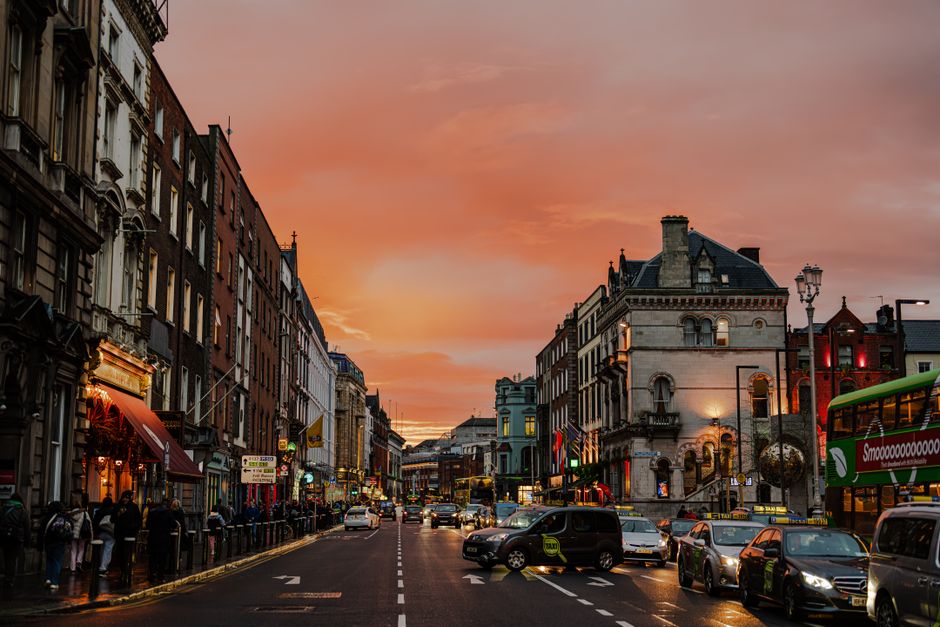
Dublin: Essential Travel Knowledge for a Seamless Trip
Understanding Dublin’s Currency and Payment Methods is paramount for any traveler. The official currency of the Republic of Ireland is the Euro (€). While credit and debit cards are widely accepted in most hotels, restaurants, shops, and even many smaller establishments, it’s wise to carry some cash. Smaller vendors, market stalls, and some rural pubs might prefer cash. ATMs are readily available throughout the city, especially in high-traffic areas like O’Connell Street and Grafton Street, as well as within bank branches. Inform your bank of your travel dates to avoid potential card-blocking due to unusual activity. For those arriving from outside the Eurozone, currency exchange offices are present at Dublin Airport and in the city center, though airport rates are typically less favorable. Many establishments are cashless, so ensure your cards are compatible and have contactless payment options for convenience. Tipping is not mandatory in Ireland but is appreciated for exceptional service. A tip of 10% is generally considered generous in restaurants if a service charge hasn’t already been included. For taxis, rounding up the fare or leaving a few extra Euros is common.
Navigating Dublin’s Public Transportation System offers efficient ways to explore the city. The primary public transport operator is Dublin Bus, which has an extensive network covering most of the city and its suburbs. Tickets can be purchased from the driver (exact change is often required), from ticket machines, or more conveniently and affordably, via the Leap Card. The Leap Card is a rechargeable smart card that can be used on Dublin Bus, DART (Dublin Area Rapid Transit), Luas (tram system), and Commuter Rail services. It offers significant discounts compared to single cash fares. You can purchase and top up Leap Cards at various retail outlets, including newsagents and convenience stores, as well as online or at Luas and DART stations. The Luas is a tram system with two lines, the Red Line and the Green Line, connecting various parts of the city. The DART is a coastal train service that runs from north to south along Dublin Bay, offering scenic views and easy access to seaside towns like Howth and Dun Laoghaire. For airport transfers, Dublin Express and Aircoach offer convenient bus services directly to the city center. Taxis are also readily available, and ride-sharing apps operate in Dublin, though their availability can fluctuate. Walking is also a highly recommended way to experience Dublin’s charm, as many of the main attractions are within close proximity in the city center.
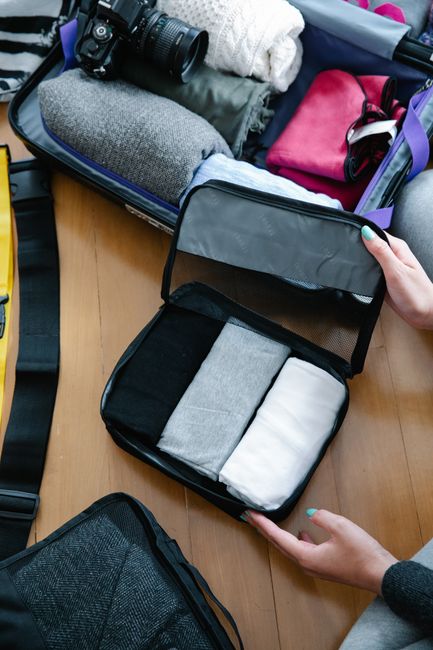
Understanding Dublin’s Weather and Packing Essentials is crucial for comfort. Dublin experiences a temperate maritime climate, characterized by mild winters, cool summers, and rain throughout the year. It’s famously known for its unpredictable weather, so layering is key. Expect temperatures to range from an average of 5-9°C (41-48°F) in winter to 15-20°C (59-68°F) in summer. Rain is a frequent occurrence, so a waterproof and windproof jacket with a hood is an absolute necessity, regardless of the season. Comfortable, waterproof walking shoes are also highly recommended, as you’ll likely be doing a lot of walking. Even in summer, pack a light jumper or fleece for cooler evenings. Don’t forget an umbrella, although a good quality raincoat is often more practical. Sunscreen and sunglasses are still advisable, as sunny days can occur even in cooler months. For women, consider packing a scarf or shawl for warmth and to be respectful when visiting religious sites.
Essential Documents and Visa Requirements for Dublin are a primary concern for international visitors. All visitors to Ireland must have a valid passport. The duration of your stay without a visa depends on your nationality. Citizens of the EU, EEA, and Switzerland can travel to Ireland without a visa and stay for an indefinite period. Citizens of countries such as the United States, Canada, Australia, and New Zealand generally do not require a visa for short stays (up to 90 days) for tourism or business purposes. However, it is always advisable to check the latest visa regulations on the Irish Naturalisation and Immigration Service (INIS) website or the website of your local Irish embassy or consulate before your trip. Ensure your passport has at least six months of validity remaining beyond your intended stay. Keep digital and physical copies of your passport and any visa documentation separate from the originals.
Familiarizing yourself with Dublin’s Etiquette and Customs will enhance your experience. Irish people are generally friendly and welcoming, and a simple "hello" or "good morning" is always appreciated. Punctuality is valued, especially for appointments or reservations. When invited to someone’s home, it’s customary to bring a small gift, such as chocolates, wine, or flowers. Pub culture is deeply ingrained in Irish society, and it’s a great place to socialize. When ordering at the bar, make eye contact with the bartender and be clear with your order. It’s also common for rounds to be bought, meaning each person in a group takes turns buying drinks for everyone. When visiting pubs, engaging in conversation with locals can lead to memorable experiences. Public displays of affection are generally discreet. Smoking is prohibited indoors in public places, including pubs and restaurants, in compliance with Irish law.
Understanding Dublin’s Safety and Emergency Procedures is paramount for peace of mind. Dublin is generally a safe city for tourists, but like any major city, it’s important to be aware of your surroundings and take basic precautions. Petty theft, such as pickpocketing, can occur in crowded tourist areas and on public transport. Keep your valuables secure, be mindful of your belongings, and avoid displaying large amounts of cash. Be cautious of street scams, though they are not prevalent. In case of an emergency, the all-purpose emergency number in Ireland is 112, which connects you to the police (Garda Síochána), ambulance, or fire services. The number 999 also works. If you need to report a non-urgent crime, you can visit your local Garda station. It’s advisable to have the contact details for your country’s embassy or consulate in Dublin readily available.
Exploring Dublin’s Dining Scene offers a taste of Irish culinary traditions. Beyond the traditional Irish stew and coddle, Dublin boasts a vibrant food scene with a wide range of options, from traditional pubs serving hearty meals to Michelin-starred restaurants. Seafood is a highlight, with fresh catches readily available. Don’t miss trying a full Irish breakfast, typically including bacon, eggs, sausages, black and white pudding, beans, and toast. For a sweet treat, look for Barmbrack (a fruit loaf) or scones with jam and cream. Pubs are excellent places to sample local beers, ciders, and whiskeys. Many pubs offer live traditional music, creating a lively and authentic atmosphere. Reservations are recommended for popular restaurants, especially on weekends. For budget-friendly options, explore the city’s cafes and food markets.
Understanding Dublin’s Local Laws and Customs can prevent inadvertent issues. The legal drinking age in Ireland is 18. Public intoxication is frowned upon and can lead to public order offenses. Driving is on the left-hand side of the road. If you plan to rent a car, be aware of the narrow and winding roads, particularly in rural areas. Mobile phone use while driving is strictly prohibited. Photocopies of your passport are not a substitute for the original document. It is not generally necessary to carry your passport with you at all times; however, keeping a digital copy and a physical photocopy is wise. Be respectful when visiting religious sites, and dress appropriately (shoulders and knees covered).
Familiarizing yourself with Dublin’s Historical Context and Key Attractions will enrich your visit. Dublin is a city steeped in history, from its Viking origins to its role in the struggle for Irish independence. Key attractions include Trinity College, home to the stunning Long Room library and the Book of Kells; Dublin Castle, a historic seat of power; and Kilmainham Gaol, a former prison with a significant place in Irish history. The Guinness Storehouse offers an immersive experience into the history and brewing of Ireland’s most famous export. St. Patrick’s Cathedral and Christ Church Cathedral are magnificent examples of Gothic architecture. For literature enthusiasts, a visit to the Dublin Writers Museum or a literary pub crawl is highly recommended. The National Museum of Ireland offers a wealth of artifacts spanning Ireland’s rich past.
Understanding Dublin’s Accommodation Options provides a range of choices for different budgets. Dublin offers a diverse array of accommodation, from luxury hotels and boutique guesthouses to budget-friendly hostels and self-catering apartments. The city center, particularly areas around Temple Bar, Grafton Street, and Merrion Square, offers convenient access to attractions but can be more expensive and noisy. Staying slightly outside the immediate city center, but still within easy reach of public transport, can offer more affordable options and a quieter experience. Hostels are plentiful and a great choice for solo travelers or those on a tight budget, often offering social events and organized tours. Booking accommodation in advance is highly recommended, especially during peak tourist seasons (summer, St. Patrick’s Day, and major sporting events) to secure your preferred choice and potentially better rates.
Mastering basic Irish Phrases will be appreciated by locals and enhance your interactions. While English is spoken universally, learning a few basic phrases in Irish (Gaelic) will be met with warmth and a smile. Common greetings include "Dia duit" (Dee-ah gwit) for "hello" to one person, and "Dia is Muire duit" (Dee-ah iss Mwir-ah gwit) as a response. "Go raibh maith agat" (Guh rev mah ag-ut) means "thank you." "Sláinte" (Slawn-cha) is the toast, meaning "health." "Conas atá tú?" (Cun-ass at-a too?) is "how are you?" and "Tá mé go maith" (Taw may guh mah) is "I am well." Even attempting a few words shows respect for the Irish language and culture.
Navigating Dublin’s Wi-Fi and Mobile Connectivity ensures you stay connected. Wi-Fi is widely available in hotels, cafes, restaurants, and many public spaces throughout Dublin. Most accommodations will offer complimentary Wi-Fi. If you require constant connectivity, consider purchasing a local SIM card upon arrival, which can be more cost-effective for data usage than international roaming charges. Various mobile providers operate in Ireland, and their shops are readily available in the city center. Alternatively, many travelers opt for eSIMs if their devices support them, allowing for digital SIM activation. Public Wi-Fi hotspots are also common, but exercise caution and avoid accessing sensitive information on unsecured networks.
Planning your Dublin trip with an understanding of these key areas will significantly contribute to a smooth, enjoyable, and memorable experience.