
Chumash Marine Sanctuary California

The Chumash Marine Sanctuary: A Protected Oasis in California’s Coastal Waters
California’s coastline is a tapestry of diverse ecosystems, and the Chumash Marine Sanctuary stands as a testament to the state’s commitment to marine conservation. Located off the coast of Santa Barbara County, this protected area encompasses a significant stretch of ocean, safeguarding vital habitats and a rich array of marine life. Established to preserve the ecological integrity of the region and honor the cultural heritage of the Chumash people, the sanctuary plays a crucial role in scientific research, education, and the long-term health of the Pacific Ocean. Understanding the designation, the unique features, the challenges, and the ongoing efforts associated with the Chumash Marine Sanctuary is essential for appreciating its importance and for advocating for its continued protection.
The Chumash Marine Sanctuary is more than just a geographical designation; it represents a vital segment of the California Current Large Marine Ecosystem. This vast and dynamic oceanic region, stretching from British Columbia to Baja California, is characterized by upwelling currents that bring nutrient-rich waters to the surface, supporting an exceptionally productive food web. The sanctuary’s boundaries are strategically chosen to encompass critical habitats, including kelp forests, rocky reefs, and soft-bottom communities, each supporting a distinct assemblage of species. The kelp forests, in particular, are foundational ecosystems, providing food and shelter for a multitude of marine organisms, from tiny invertebrates to large migratory fish and marine mammals. These underwater forests are akin to terrestrial forests, creating complex three-dimensional habitats that are essential for biodiversity. The rocky reefs, sculpted by geological processes over millennia, offer diverse surfaces for attachment of sessile organisms like corals, sponges, and anemones, and provide crevices for fish and invertebrates to hide and forage. Soft-bottom habitats, often overlooked, are equally important, supporting a unique fauna of burrowing organisms and benthic feeders. The designation of the sanctuary aims to shield these sensitive environments from the cumulative impacts of human activities, thereby ensuring their resilience and continued ecological function.
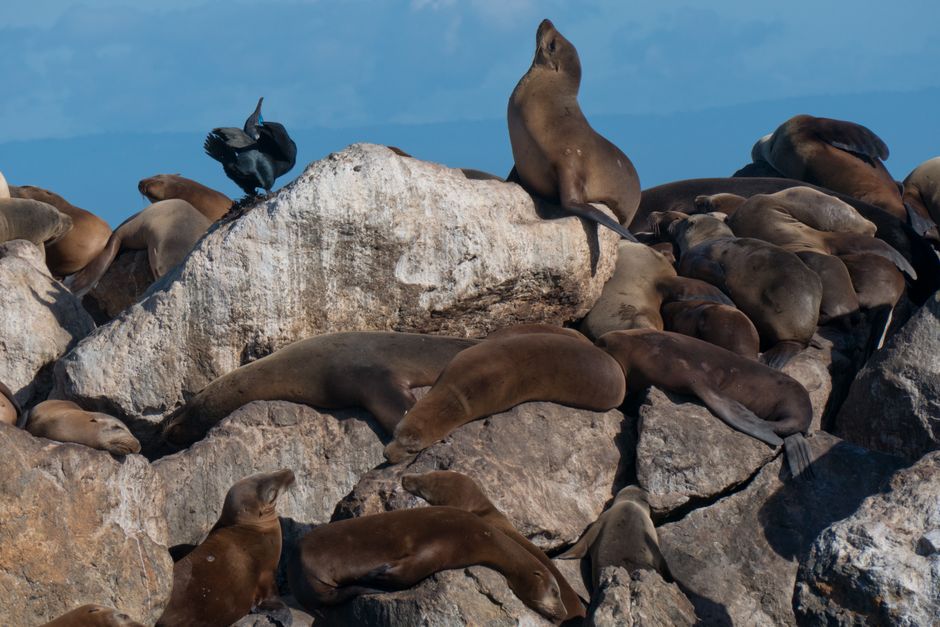
Within the Chumash Marine Sanctuary, a remarkable diversity of marine life thrives. The sanctuary is renowned for its significant populations of marine mammals. Iconic species such as the gray whale, which undertakes one of the longest migrations of any mammal, pass through its waters during their annual journeys between their Arctic feeding grounds and the warm lagoons of Baja California. The sanctuary also provides critical habitat for several species of dolphins and porpoises, including the common dolphin, Pacific white-sided dolphin, and the harbor porpoise. Perhaps most famously, the sanctuary is a crucial area for the endangered southern sea otter. These charismatic creatures, once on the brink of extinction, are a vital indicator species for the health of the kelp forest ecosystem. Their presence and foraging activities help to control sea urchin populations, preventing overgrazing of kelp and maintaining the structural integrity of the kelp forest. Pinnipeds are also abundant, with harbor seals and California sea lions frequently observed basking on shorelines or foraging within the sanctuary. The sanctuary’s waters are also a vital nursery ground for numerous fish species. Rockfish, a diverse group of commercially and ecologically important fish, are particularly abundant. These species often exhibit complex life histories, with some living for decades and occupying specific niches within the reef structure. Other significant fish species include various species of surfperch, cabezon, and lingcod. The invertebrate community is equally rich, forming the base of the food web. This includes a dazzling array of sea stars, sea urchins, brittle stars, crabs, lobsters, and a vast diversity of mollusks. The vibrant colors and intricate forms of these organisms contribute to the aesthetic and ecological richness of the sanctuary. Furthermore, the sanctuary’s pelagic waters are important for migratory seabirds, which rely on the productive waters for their sustenance.
The establishment of the Chumash Marine Sanctuary is deeply rooted in the cultural heritage of the Chumash people, the indigenous inhabitants of the California coast for thousands of years. Their traditional knowledge and sustainable practices are an integral part of understanding and managing this marine environment. For millennia, the Chumash have had a profound connection with the ocean, relying on its resources for sustenance, transportation, and spiritual well-being. Their traditional fishing techniques, often developed with an intimate understanding of marine life cycles and environmental patterns, demonstrate a deep respect for the natural world. The sanctuary’s designation aims to protect not only the ecological values but also the cultural landscape that has been shaped by their ancestral stewardship. This recognition of Indigenous rights and knowledge is a growing and essential component of modern conservation efforts, ensuring that management practices are informed by centuries of lived experience and a holistic understanding of the ecosystem. The Chumash have a rich oral history and cultural practices that are intrinsically linked to the marine environment, including stories, ceremonies, and traditional resource management strategies that highlight a sustainable relationship with the ocean.
The Chumash Marine Sanctuary operates under a comprehensive management framework designed to minimize human impacts and promote ecological health. The sanctuary is managed by NOAA Fisheries, in collaboration with state agencies and local stakeholders. Key management strategies include regulations on fishing, anchoring, and other potentially disruptive activities. Specifically, the sanctuary prohibits certain types of commercial and recreational fishing to protect vulnerable species and habitats. This includes restrictions on bottom trawling, which can cause significant damage to seafloor ecosystems, and limits on the take of certain species that are particularly susceptible to overfishing or that play crucial ecological roles. Anchoring is also regulated in sensitive areas to prevent damage to kelp forests and rocky reefs. The management plan emphasizes a science-based approach, relying on ongoing research and monitoring to assess the effectiveness of conservation measures and adapt management strategies as needed. This adaptive management approach is crucial in a dynamic marine environment where ecological conditions can change due to natural variability and human-induced pressures. Regular surveys of fish populations, invertebrate communities, and habitat condition are conducted to track trends and identify areas requiring additional protection or intervention.
Despite the protective measures in place, the Chumash Marine Sanctuary faces a number of significant challenges. Climate change poses a pervasive threat, with rising ocean temperatures leading to coral bleaching events in warmer waters and shifts in species distribution in temperate regions. Ocean acidification, caused by the absorption of excess carbon dioxide from the atmosphere, can interfere with the ability of shell-building organisms, such as mollusks and crustaceans, to form and maintain their shells, with cascading effects throughout the food web. Pollution, originating from terrestrial sources, including agricultural runoff, urban wastewater, and plastic debris, can degrade water quality and harm marine life. Plastic pollution, in particular, is a growing concern, with microplastics entering the food chain and posing risks to a wide range of organisms, from zooplankton to marine mammals. Overfishing, even in areas with some restrictions, can still occur in the broader region and have spillover effects on sanctuary populations. Furthermore, the cumulative impacts of various human activities, even those that are individually permitted, can collectively stress the ecosystem. Invasive species, introduced through shipping or other human activities, can outcompete native species for resources, disrupt food webs, and alter habitat structure. The sanctuary’s effectiveness is also dependent on enforcement and public compliance. Effective enforcement of regulations requires adequate resources and vigilance, and public awareness and support are crucial for fostering a culture of stewardship and voluntary compliance.
Scientific research is a cornerstone of the Chumash Marine Sanctuary’s management and conservation efforts. The protected status of the sanctuary provides a unique opportunity for scientists to study marine ecosystems with minimal anthropogenic disturbance, allowing for a clearer understanding of natural processes and the baseline health of the environment. Researchers utilize a variety of methods, including underwater surveys, acoustic monitoring, tagging of marine animals, and genetic analysis, to gather data on species abundance, distribution, behavior, and ecological interactions. This research helps to identify critical habitats, assess the effectiveness of management actions, and inform policy decisions. For example, studies on the recovery of southern sea otter populations within the sanctuary have provided invaluable insights into the species’ ecological requirements and the factors that influence their resurgence. Research on kelp forest dynamics helps scientists understand how these vital habitats respond to environmental changes and human pressures, informing strategies for their restoration and preservation. The sanctuary also serves as a valuable living laboratory for studying the impacts of climate change and other global stressors on marine ecosystems. By comparing data from the sanctuary with areas experiencing greater human impact, scientists can better isolate the effects of specific environmental factors. This scientific knowledge is essential for ensuring that conservation efforts are targeted, effective, and adaptive to evolving environmental conditions.
Public education and engagement are vital for fostering a sense of stewardship and ensuring the long-term success of the Chumash Marine Sanctuary. NOAA Fisheries and its partners work to raise awareness about the sanctuary’s ecological and cultural significance through various outreach programs, interpretive materials, and online resources. These efforts aim to educate the public about the importance of marine conservation, the threats facing the sanctuary, and the role that individuals can play in protecting this precious resource. Citizen science initiatives, where members of the public can participate in data collection and monitoring efforts, offer opportunities for hands-on engagement and contribute valuable data to scientific research. By connecting people with the marine environment, these programs aim to cultivate a deeper appreciation for its value and inspire actions that support its preservation. Educational programs often highlight the unique biodiversity found within the sanctuary, from the smallest invertebrates to the largest whales, and explain the intricate web of life that sustains these populations. Furthermore, the cultural significance of the sanctuary to the Chumash people is an important educational component, fostering understanding and respect for Indigenous knowledge and heritage.
The Chumash Marine Sanctuary is a vital component of California’s network of marine protected areas, contributing to a broader strategy for ocean conservation. These interconnected protected areas, along with sound fisheries management and efforts to reduce pollution, are essential for building resilience in marine ecosystems and ensuring the health of the ocean for future generations. The sanctuary’s success is intrinsically linked to the health of the surrounding waters and the broader ecosystem. Therefore, efforts to address pollution, climate change, and overfishing across a wider geographic scale are critical for the sanctuary’s long-term viability. The ongoing monitoring, research, and adaptive management within the Chumash Marine Sanctuary provide a model for effective marine conservation, demonstrating the importance of a comprehensive, science-based, and culturally informed approach to protecting our planet’s oceans. The continued collaboration between scientists, policymakers, Indigenous communities, and the public will be crucial in navigating the challenges and ensuring that this precious marine oasis remains a thriving ecosystem for generations to come.


