
Tag Long Haul Flights

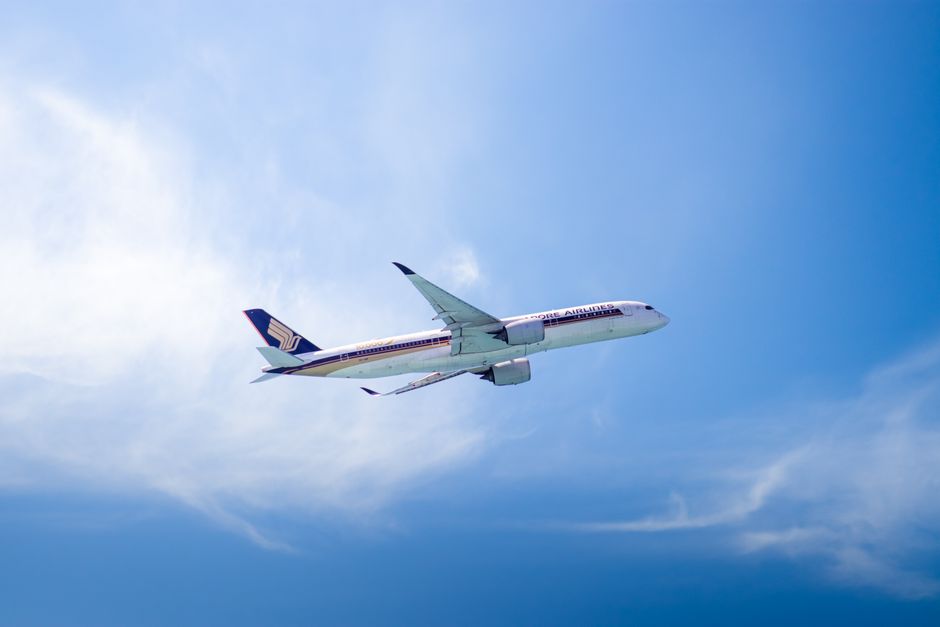
Tag Long Haul Flights: Navigating Extended Journeys
Long haul flights, defined as journeys exceeding six hours in duration, represent a significant portion of global air travel. These extended airborne excursions are integral to connecting continents, facilitating international business, and enabling global tourism. Understanding the intricacies of long haul flights is crucial for passengers seeking comfort, efficiency, and a positive travel experience. This article delves into the multifaceted aspects of long haul flights, covering airline operations, passenger considerations, health and well-being, and the evolving landscape of long distance air transportation.
Airlines orchestrate long haul flights through a complex interplay of logistical planning, technological advancement, and stringent regulatory compliance. The decision to operate a long haul route is driven by market demand, passenger volume, and profitability projections. Airlines meticulously analyze passenger traffic data, competitive routes, and operational costs to determine viable long distance connections. Aircraft selection is paramount, with airlines typically deploying wide-body aircraft such as the Boeing 777, 787 Dreamliner, Airbus A350, and A380. These aircraft are specifically designed for extended flight times, offering greater fuel efficiency, larger passenger capacities, and enhanced cabin amenities to mitigate the challenges of long duration travel.
Cabin configurations on long haul flights are designed to optimize passenger comfort and accommodate varying service classes. Economy class, the most prevalent, prioritizes passenger density while offering essential services. Premium Economy provides a step up, with more legroom, wider seats, and enhanced meal options. Business Class and First Class offer significantly elevated comfort levels, including lie-flat seats, gourmet dining, premium beverages, and exclusive lounge access. The in-flight entertainment system is a critical component of long haul travel, providing passengers with a vast array of movies, TV shows, music, and games to alleviate boredom and enhance the journey. Connectivity, often through in-flight Wi-Fi, is increasingly expected, allowing passengers to stay connected for work or leisure, although this can come at an additional cost.
Crew management for long haul flights involves a sophisticated scheduling system to ensure optimal rest and duty periods. Flight crews, including pilots and cabin attendants, operate under strict regulations governing flight hours and mandatory rest periods to maintain alertness and safety. The extended nature of these flights necessitates multiple crews for very long routes to adhere to these regulations and ensure crew well-being. Cabin attendants are trained to handle a wide range of passenger needs, from meal service and in-flight entertainment troubleshooting to medical emergencies and security protocols, all while managing the unique challenges of a confined environment for many hours.
Health and well-being are paramount considerations for passengers undertaking long haul flights. Deep Vein Thrombosis (DVT) is a significant concern, characterized by blood clots forming in the legs due to prolonged immobility. Passengers are advised to move around the cabin regularly, perform in-seat exercises, stay hydrated, and consider compression socks. Hydration is crucial to combat the dry cabin air, which can lead to dehydration, dry skin, and discomfort. Passengers should limit alcohol and caffeine intake, as these can contribute to dehydration. Sleep disruption is another common issue. Utilizing neck pillows, eye masks, and earplugs can help create a more conducive sleep environment. Adjusting to time zone changes, known as jet lag, can be mitigated by gradually adjusting sleep schedules before departure and seeking natural light exposure upon arrival.
Dietary considerations on long haul flights are increasingly catered to by airlines. Pre-ordering special meals catering to dietary restrictions, religious requirements, or preferences (e.g., vegetarian, vegan, gluten-free, diabetic) is a common practice and is highly recommended for passengers with specific needs. The quality and variety of in-flight meals have become a differentiator for many airlines, with some offering multi-course meals, premium wines, and locally inspired cuisine to enhance the passenger experience. Snacks and refreshments are generally available throughout the flight, but having personal snacks can be beneficial for those with more specific or frequent dietary needs.
The operational aspects of long haul flights involve complex air traffic control coordination. Air traffic control systems manage the flow of aircraft across vast distances, ensuring safe separation and efficient routing. Airlines utilize sophisticated flight planning software to optimize routes, considering factors such as weather patterns, wind speeds, and air traffic congestion to minimize flight time and fuel consumption. The maintenance of aircraft is a rigorous and continuous process, with stringent checks and procedures ensuring the airworthiness of planes for these demanding journeys.
Technological advancements are continuously shaping the long haul flight experience. Aircraft are becoming more fuel-efficient, reducing environmental impact and operational costs. Advanced avionics and navigation systems enhance safety and precision. The development of quieter and more comfortable cabins, such as the noise-reducing technology in the Boeing 787 Dreamliner, contributes significantly to passenger comfort. In-flight connectivity is rapidly evolving, with increasing availability and speed of Wi-Fi, transforming the cabin into a connected workspace for business travelers.
Sustainability is a growing focus for airlines operating long haul flights. Efforts are being made to reduce carbon emissions through more fuel-efficient aircraft, optimized flight paths, and the use of Sustainable Aviation Fuels (SAFs). Airlines are also exploring ways to reduce waste onboard and implement more sustainable catering practices. The long term viability of long haul air travel is intrinsically linked to its environmental footprint, making innovation in this area critical.
Passenger preparation for long haul flights can significantly improve the overall journey. Packing strategically is key, with essentials like comfortable clothing, entertainment, medications, and personal hygiene items readily accessible. Layering clothing is advisable due to fluctuating cabin temperatures. Staying informed about airline policies regarding baggage allowances, carry-on restrictions, and check-in procedures is also crucial to avoid last-minute stress. Familiarizing oneself with the aircraft layout and seat selection options can help passengers choose the most comfortable and convenient seating.
The economic impact of long haul flights is substantial. They are vital arteries for global commerce, facilitating the movement of goods and people that underpin international trade and economic growth. Tourism reliant on long distance travel generates significant revenue for destinations and contributes to job creation. The airline industry itself is a major employer, with a vast network of pilots, cabin crew, ground staff, engineers, and support personnel.
Challenges associated with long haul flights include the potential for significant delays, which can be caused by weather, technical issues, or air traffic congestion. The financial risks for airlines are also higher due to the large operational costs of these flights. Maintaining passenger satisfaction over extended periods requires continuous investment in cabin upgrades, service improvements, and technological innovation.
The future of long haul flights is likely to see further advancements in aircraft technology, including hypersonic travel concepts and the continued development of more sustainable aviation solutions. The passenger experience will likely continue to evolve with enhanced connectivity, personalized services, and improved cabin comfort. The industry will face ongoing pressure to address environmental concerns and adapt to changing passenger expectations. The ability to navigate these extended journeys efficiently and comfortably will remain a core objective for both airlines and travelers alike, ensuring the continued connectivity of our increasingly globalized world. Understanding the nuances of tag long haul flights allows for a more informed and enjoyable experience, transforming what can be a daunting journey into a manageable and even pleasant passage.


