
Trip Ideas Winter Vacations Affordable Winter

Affordable Winter Vacation Ideas: Your Guide to Budget-Friendly Escapes
Winter travel doesn’t necessitate breaking the bank. A wealth of opportunities exist for those seeking a rejuvenating escape without exorbitant costs. The key lies in strategic planning, embracing less conventional destinations, and leveraging off-peak advantages. This guide unpacks actionable trip ideas for affordable winter vacations, focusing on maximizing value and minimizing expenditure across various travel styles.
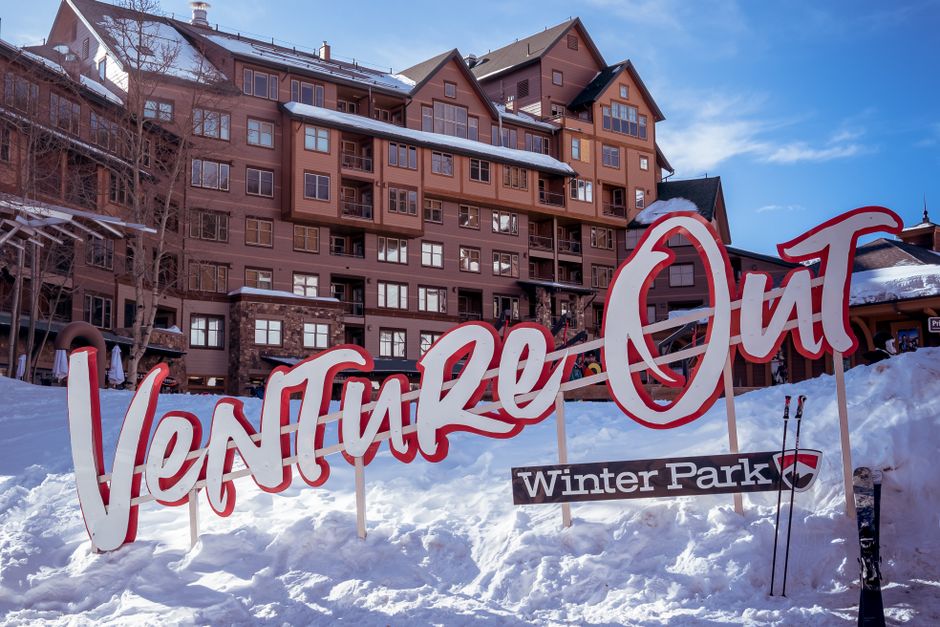
Consider destinations offering natural beauty and fewer crowds during the shoulder season. Mountain towns, while often associated with expensive ski resorts, can be surprisingly affordable if you prioritize activities beyond downhill skiing. Think snowshoeing, cross-country skiing, ice skating on frozen lakes, or simply enjoying the crisp air and stunning vistas. Many smaller mountain communities offer charming, budget-friendly accommodations like cozy cabins or guesthouses. Look for lodging that includes kitchen facilities to prepare your own meals, a significant cost-saving measure. Instead of relying on resort restaurants, explore local diners and grocery stores. Many mountain towns have public parks with designated areas for sledding and building snow forts, providing free entertainment for all ages. Research free hiking trails that remain accessible in winter, often offering breathtaking snow-covered landscapes. Driving to a nearby mountain destination can also be more economical than flying, especially for families or groups, allowing for flexibility in packing and the ability to transport groceries and cooking supplies. Look for early-bird booking discounts on rental cabins or discounted lift tickets if you do plan on a day or two of skiing. Alternatively, many mountain regions offer scenic drives with designated pull-offs for admiring the winter scenery, a completely free activity. Exploring small towns with a historical focus can also yield affordable winter getaways. These destinations often have fewer tourists in the winter, leading to lower accommodation prices. Look for towns with free walking tours or self-guided historical trails. Many have local museums with affordable admission fees or even free entry days. Cozy cafes and bakeries offer warm beverages and pastries at reasonable prices, providing a delightful way to experience the local atmosphere without significant spending.
Coastal destinations during the off-season present a compelling argument for affordable winter vacations. While the beaches may not be sweltering, the dramatic beauty of a winter coastline, often with crashing waves and fewer people, offers a unique and tranquil experience. Many beachfront hotels and rental properties significantly reduce their rates after the summer season concludes. This allows for stays in prime locations at a fraction of the cost. Think of cozying up in a beachfront cottage with a good book and the sound of the ocean as your soundtrack. Explore charming seaside towns, browse local artisan shops, and enjoy fresh, affordable seafood at local eateries that cater to locals rather than tourists. Beachcombing, observing wildlife like migratory birds, and simply walking along the shore are all free activities that provide immense enjoyment. Consider destinations known for their dramatic winter storms; while not for everyone, these can offer a unique and memorable experience, often with discounted rates as a trade-off for potentially less predictable weather. Many coastal towns also have lighthouses that offer tours, often at a low cost, providing historical insights and stunning panoramic views. Look for bed and breakfasts in quieter coastal communities; these often offer a more personal and affordable experience than larger hotels. Pack layers and waterproof gear to fully enjoy the elements.
City breaks can be surprisingly budget-friendly in the winter, especially in cities that aren’t major holiday destinations. Many major cities experience a dip in tourism after the Christmas and New Year’s rush, leading to lower hotel rates and flight prices. This is the perfect time to explore renowned museums, art galleries, and historical landmarks without the overwhelming crowds and peak-season prices. Many cities offer free walking tours, a fantastic way to get acquainted with the city’s history and culture. Public transportation is generally efficient and affordable in most cities, allowing you to navigate easily without the expense of taxis or rental cars. Look for city passes that can offer discounted entry to multiple attractions. Many cities have vibrant food scenes with affordable street food options, local markets, and ethnic restaurants that offer delicious meals at reasonable prices. Consider visiting a city known for its indoor attractions, such as world-class museums, theaters with off-season discounts, or indoor botanical gardens, to escape the winter chill. Utilize free amenities like public parks, libraries, and observation decks for panoramic city views. Research free events and festivals that might be happening during your visit; many cities host winter markets or cultural celebrations. Staying in a hostel or a budget-friendly hotel in a well-connected neighborhood can significantly reduce accommodation costs, leaving more budget for experiencing the city. Many cities have free museum days or discounted admission for students or seniors.
For the truly adventurous and budget-conscious, consider destinations that offer a different kind of winter experience. Think of exploring national parks or state parks during the winter months. While some facilities might be closed, many offer stunning scenery, opportunities for winter hiking, snowshoeing, or cross-country skiing. Camping in a winter-ready tent can be an extremely affordable option, provided you have the appropriate gear and are comfortable with cold weather. Many park entrance fees are nominal, and the tranquility of a winter landscape without crowds is unparalleled. Research parks that offer specific winter activities or guided programs. Look for nearby towns with affordable lodging options if camping isn’t your preference. Embrace the idea of "glamping" in a more rustic, off-season setting, which can be more affordable than its summer counterpart. Many parks have visitor centers that are open year-round, offering information and educational exhibits. Consider the appeal of aurora viewing in northern latitudes; while some tours can be expensive, independent travel to regions like Iceland or parts of Canada during the shoulder winter season can offer more affordable opportunities to witness the Northern Lights, especially if you book accommodations and flights outside of peak holiday periods. Focus on locations with less commercialization for better value.
Embrace the power of culinary exploration on a budget. Instead of relying on expensive sit-down restaurants, make grocery shopping and self-catering a cornerstone of your affordable winter vacation. Invest in a few key items before you leave, like a reusable water bottle, a portable cooler, and some basic spices. When booking accommodation, prioritize places with kitchenettes or full kitchens. This simple change can slash your food budget by more than half. Explore local farmers’ markets for fresh, seasonal produce – in many regions, winter markets still thrive and offer unique local ingredients at lower prices. Seek out ethnic grocery stores for affordable staples and authentic ingredients that can elevate your home-cooked meals. Pack a lunch and snacks for your daily excursions, preventing impulse purchases at tourist-heavy locations. Research "best cheap eats" or "local diners" in your chosen destination; often, these hidden gems offer delicious and authentic cuisine at a fraction of the cost of more upscale establishments. Consider picnic lunches in scenic spots, transforming mealtime into an experience. Many bakeries offer day-old bread at discounted prices, perfect for sandwiches or toast. Look for deals at local supermarkets; many have pre-made meal options or rotisserie chickens that are cost-effective and easy to prepare. Embrace the concept of "potluck" if traveling with others, pooling resources for shared meals.
Leverage the advantage of off-peak travel. Winter, particularly the period between January and March, often sees a significant drop in demand for travel. This directly translates to lower prices for flights, accommodations, and even some activities. Avoid major holidays like Christmas, New Year’s, and Valentine’s Day if your primary goal is affordability. The days immediately following these peak periods are often ideal for securing the best deals. Consider "shoulder season" travel within winter itself; late January and early February, or mid-to-late March, can offer a sweet spot of good weather and significantly reduced prices. Be flexible with your travel dates. If you can shift your vacation by a few days or a week, you might uncover substantial savings. Utilize flight comparison websites and set up price alerts to track fare fluctuations. Consider flying mid-week; Tuesday and Wednesday flights are generally cheaper than those on weekends. For domestic travel, investigate budget airlines, but be mindful of their baggage fees and other ancillary charges. Booking accommodation well in advance, even for off-peak periods, can sometimes secure better rates, especially for popular destinations. However, for some less predictable destinations, last-minute deals can also be found by monitoring hotel booking sites. The key is research and adaptability.
Embrace the power of local transportation and free activities. When planning an affordable winter vacation, a significant portion of the budget can be allocated to getting around and entertainment. Prioritize destinations with robust and affordable public transportation systems. Buses, trams, and subways are almost always more cost-effective than taxis or ride-sharing services. Research the local transit options before you go and consider purchasing multi-day passes for added savings. In many European cities, for example, public transport is excellent and relatively inexpensive. For shorter distances, walking is your best friend – it’s free, healthy, and allows you to discover hidden gems you might otherwise miss. Many cities have excellent walking infrastructure and pedestrian-friendly zones. Look for cities with a wealth of free attractions. This includes public parks, historical monuments that can be admired from the outside, free walking tours (often tip-based, but still a bargain), public libraries with impressive architecture, and viewpoints offering panoramic cityscapes. Many museums offer free admission on certain days or at specific times; research these in advance. Utilize local event listings to find free concerts, festivals, or cultural events happening during your visit. Consider destinations that naturally lend themselves to outdoor exploration, where the landscape itself is the primary attraction. Think of national parks, scenic hiking trails that remain accessible in winter, or frozen lakes perfect for ice skating (if you bring your own skates or can rent them affordably). The ability to enjoy nature’s beauty without an entry fee is a significant cost-saver.
Consider less popular, yet equally charming, destinations. While Paris and Rome beckon, their winter price tags can be prohibitive. Explore cities that offer rich cultural experiences and historical significance but are not as heavily touristed. Eastern European cities like Prague, Budapest, or Krakow are renowned for their stunning architecture, fascinating history, and delicious food, all at a significantly lower cost than their Western European counterparts. Similarly, in North America, consider exploring smaller cities with a strong arts and culture scene, or towns that are hubs for outdoor activities but lack the elite reputation of major ski resorts. Look for destinations that have a strong local identity and offer authentic experiences beyond the typical tourist traps. These places often have more affordable accommodation, food, and activities catering to residents rather than international visitors. Research travel blogs and forums dedicated to budget travel for hidden gems and insider tips. Websites like Atlas Obscura can help uncover unique and often overlooked destinations. Embracing these less-trodden paths not only saves money but also offers a more genuine and immersive travel experience. The reward for venturing off the beaten path is often a more intimate and memorable vacation.
Finally, pack smart to save money. The ability to pack efficiently and appropriately can directly impact your vacation budget. Avoid checked baggage fees on budget airlines by mastering the art of carry-on packing. Invest in versatile, layerable clothing that can be mixed and matched to create multiple outfits. Choose quick-drying fabrics that can be hand-washed and air-dried in your accommodation, reducing the need for expensive hotel laundry services. If you’re heading to a colder climate, invest in quality thermal base layers, a waterproof and windproof outer shell, and warm accessories like gloves, a hat, and a scarf. These items are crucial for comfort and can prevent you from needing to purchase expensive, last-minute replacements in tourist shops. Consider packing a small first-aid kit with essential over-the-counter medications to avoid costly pharmacy purchases abroad. A portable power bank can be invaluable for keeping your electronic devices charged, reducing reliance on finding power outlets or purchasing chargers. For any destination, a reusable water bottle is a must; not only is it environmentally friendly, but it also saves money on purchasing bottled water. If you plan on preparing some meals, a few basic non-perishable food items like instant oatmeal, granola bars, or tea bags can be a lifesaver for quick breakfasts or snacks, preventing impulsive and expensive purchases when hunger strikes. Packing a small travel towel can also be useful, especially if you opt for more budget-friendly accommodation that might not provide one. The principle here is preparedness; anticipate your needs and pack accordingly to avoid unnecessary expenses during your trip.


